The Decline of Italian Heritage in Carroll Gardens

Edited by Tamsin Gablehart
Markets & Regional · Updated August 31, 2026
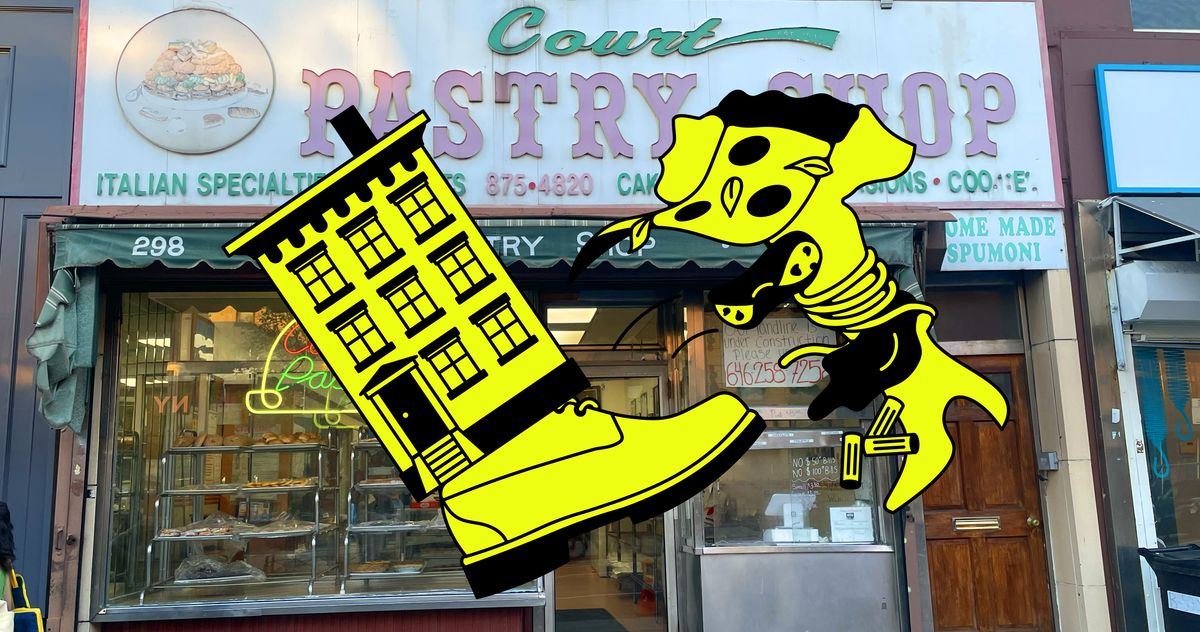
Carroll Gardens, once a vibrant Italian neighborhood in Brooklyn, has seen a significant decline in its Italian community and cultural establishments. This shift has resulted in the loss of many longtime residents and eateries, leading to a transformation that has stripped the area of much of its old-world charm. The changes reflect broader trends in urban gentrification and demographic shifts in New York City.
Share this story
Why it matters
- ✓Home buyers may find that the changing cultural landscape affects property values and neighborhood character.
- ✓Sellers could see a decline in demand for homes that were once attractive to those seeking an authentic Italian community.
- ✓Real estate investors might need to consider the implications of gentrification on rental markets and local businesses.
The Decline of Italian Heritage in Carroll Gardens
Introduction
Carroll Gardens, a neighborhood in Brooklyn, New York, has long been known for its rich Italian heritage, characterized by family-owned restaurants, bakeries, and a tight-knit community. However, recent trends indicate a significant transformation in the area, with many longtime residents and beloved eateries disappearing. This article explores the factors contributing to this decline and its implications for the local real estate market.
The Changing Demographics of Carroll Gardens
The Italian community in Carroll Gardens has been dwindling over the years, leading to a noticeable shift in the neighborhood's cultural landscape. Many Italian families who have lived in the area for generations are moving away, often due to rising housing costs and the influx of new residents. This demographic shift has not only affected the community's composition but has also led to the closure of numerous Italian establishments that once defined the neighborhood.
Loss of Cultural Institutions
As the Italian population decreases, so too do the cultural institutions that celebrate this heritage. Iconic restaurants and bakeries, which were once bustling with patrons enjoying traditional Italian cuisine, have either closed their doors or transformed their offerings to cater to a more diverse clientele. This loss of cultural landmarks has contributed to the erosion of Carroll Gardens' old-world charm, leaving many longtime residents nostalgic for the neighborhood they once knew.
Gentrification and Its Impact
The changes in Carroll Gardens are reflective of broader trends in urban gentrification, where rising property values and an influx of wealthier residents lead to the displacement of long-standing communities. As new developments emerge and property prices soar, many Italian families find it increasingly difficult to remain in the area. This gentrification not only alters the demographic makeup of the neighborhood but also raises questions about the preservation of cultural identity in urban settings.
Implications for Home Buyers and Investors
For home buyers, the transformation of Carroll Gardens presents both opportunities and challenges. While the area may offer modern amenities and a vibrant new community, potential buyers should consider how the loss of its Italian heritage might affect their experience living in the neighborhood. The changing character could influence property values, as homes that once appealed to those seeking an authentic Italian experience may now attract a different demographic.
Sellers in Carroll Gardens may also face challenges as the demand for homes shifts. Properties that were once highly sought after for their cultural significance may see a decline in interest as the neighborhood evolves. This could lead to longer selling times and potentially lower offers from buyers who prioritize different aspects of the community.
For real estate investors, understanding the implications of gentrification is crucial. While the potential for profit exists in rapidly changing neighborhoods, investors must also navigate the complexities of community sentiment and the risk of backlash from longtime residents. The evolving landscape of Carroll Gardens may present opportunities for investment, but it also requires a thoughtful approach to community engagement and cultural preservation.
Conclusion
The decline of the Italian community in Carroll Gardens serves as a poignant reminder of the challenges faced by urban neighborhoods undergoing significant change. As the area continues to evolve, it is essential for home buyers, sellers, and investors to consider the broader implications of these shifts. The loss of cultural heritage can impact not only the character of a neighborhood but also the dynamics of the real estate market within it. Understanding these trends will be crucial for anyone looking to navigate the complexities of Carroll Gardens' changing landscape.
Sources
Newsletter
Your weekly property signal. No spam.
Comments
Log in with
Loading comments…
More in Regional

Ex-Microsoft Executive Lists $9.75 Million Seattle Estate After Price Cut
A former Microsoft executive has listed his Seattle estate for $9.75 million, following a…
14h ago

Historic 1880s Waterfront Social Club Listed for Sale with Significant Price Reduction
The Narragansett Reading Room, a Victorian social club established in the 1880s, has been listed…
14h ago

Ritz-Carlton Penthouse on Fort Lauderdale Beach To Be Auctioned to Highest Bidder
A luxurious oceanfront penthouse located in the Ritz-Carlton Residences on Fort Lauderdale Beach is…
21h ago

New Luxury Community Offers Rare Waterfront Living Near the Las Vegas Strip
La Cova, a new luxury community located within the SouthShore Lake Las Vegas in Henderson, NV,…
1d ago