Restoration of Historic 18th-Century Cottage in the Hamptons

Edited by Tamsin Gablehart
Markets & Regional · Updated August 30, 2026
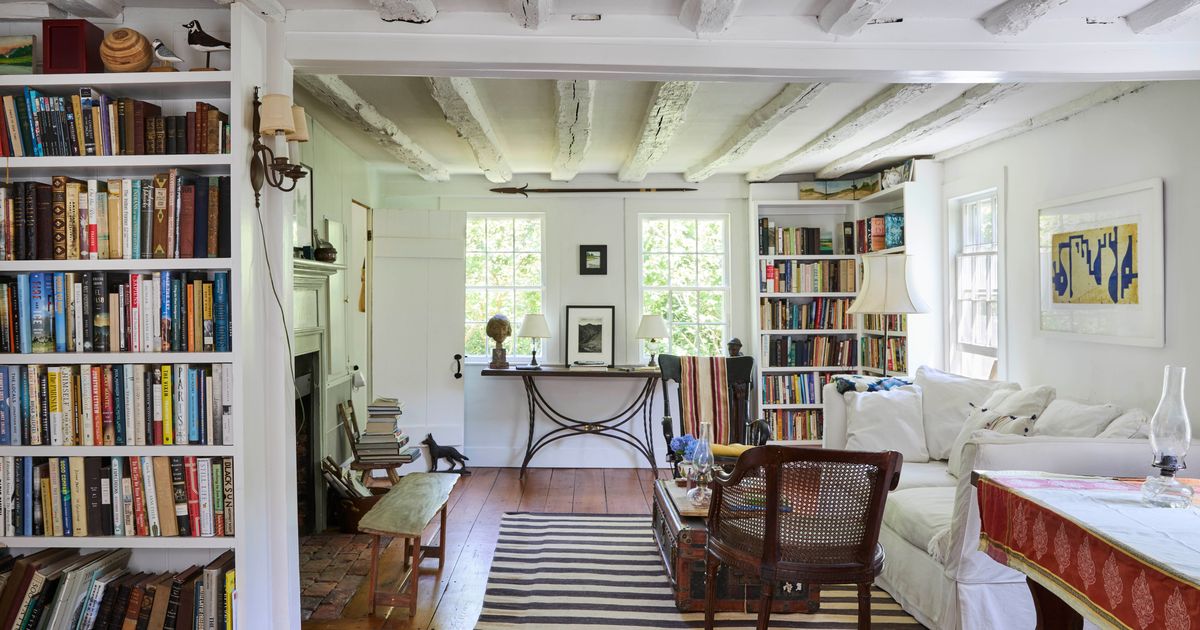
An 18th-century cottage located in the Springs area of East Hampton has undergone a significant restoration, honoring its rich bohemian history. The project highlights the importance of preserving historical architecture in the Hamptons, a region known for its luxury real estate. This restoration not only revitalizes a piece of local history but also sets a precedent for future renovations in the area.
Share this story
Why it matters
- ✓Preservation of historical properties can enhance community value and attract buyers interested in unique homes.
- ✓Investors may find opportunities in similar restoration projects, potentially increasing property values.
- ✓Home buyers may benefit from understanding the significance of historical homes and their potential for appreciation.
Restoration of Historic 18th-Century Cottage in the Hamptons
Introduction
The Springs area of East Hampton, known for its artistic heritage and bohemian past, is home to a remarkable 18th-century cottage that has recently undergone a thoughtful restoration. This project not only preserves a piece of local history but also serves as a reminder of the importance of maintaining the architectural integrity of historical homes in the Hamptons.
The Cottage's Rich History
The cottage, which dates back to the 1700s, has been a silent witness to the evolution of the Hamptons from a quiet fishing village to a bustling hub for affluent buyers and vacationers. Its historical significance is tied to the bohemian lifestyle that characterized the area, attracting artists and free spirits over the centuries. The restoration aims to honor this legacy while adapting the space for modern living.
Restoration Process
The restoration project focused on maintaining the original features of the cottage while updating its functionality. Careful attention was paid to the materials used, ensuring that they matched the historical context of the building. This approach not only preserves the aesthetic appeal of the cottage but also enhances its structural integrity, making it a viable option for contemporary homeowners.
Implications for Home Buyers and Investors
The successful restoration of this cottage highlights several key implications for home buyers and real estate investors:
-
Value of Historical Properties: The project underscores the potential value that historical homes can offer. Buyers looking for unique properties may find that homes with rich histories can appreciate over time, especially in desirable locations like the Hamptons.
-
Investment Opportunities: For investors, the restoration of such properties can present lucrative opportunities. By investing in similar projects, they can not only contribute to preserving local history but also capitalize on the growing interest in unique, character-filled homes.
-
Community Enhancement: The restoration contributes to the overall aesthetic and cultural value of the Springs area, potentially attracting more buyers who appreciate the blend of history and modern living. This can lead to increased demand for properties in the region, benefiting current homeowners and investors alike.
Conclusion
The restoration of the 18th-century cottage in East Hampton serves as a significant example of how historical homes can be preserved while meeting the needs of modern homeowners. As the real estate landscape continues to evolve, projects like this remind us of the importance of maintaining the unique character and history of our communities. For home buyers and investors, understanding the value of such properties can lead to informed decisions that honor both the past and the future of real estate in the Hamptons.
Sources
- This Old, Very Old, Hamptons House — Curbed
Newsletter
Your weekly property signal. No spam.
Comments
Log in with
Loading comments…
More in Regional

Ex-Microsoft Executive Lists $9.75 Million Seattle Estate After Price Cut
A former Microsoft executive has listed his Seattle estate for $9.75 million, following a…
15h ago

Historic 1880s Waterfront Social Club Listed for Sale with Significant Price Reduction
The Narragansett Reading Room, a Victorian social club established in the 1880s, has been listed…
15h ago

Ritz-Carlton Penthouse on Fort Lauderdale Beach To Be Auctioned to Highest Bidder
A luxurious oceanfront penthouse located in the Ritz-Carlton Residences on Fort Lauderdale Beach is…
21h ago

New Luxury Community Offers Rare Waterfront Living Near the Las Vegas Strip
La Cova, a new luxury community located within the SouthShore Lake Las Vegas in Henderson, NV,…
1d ago