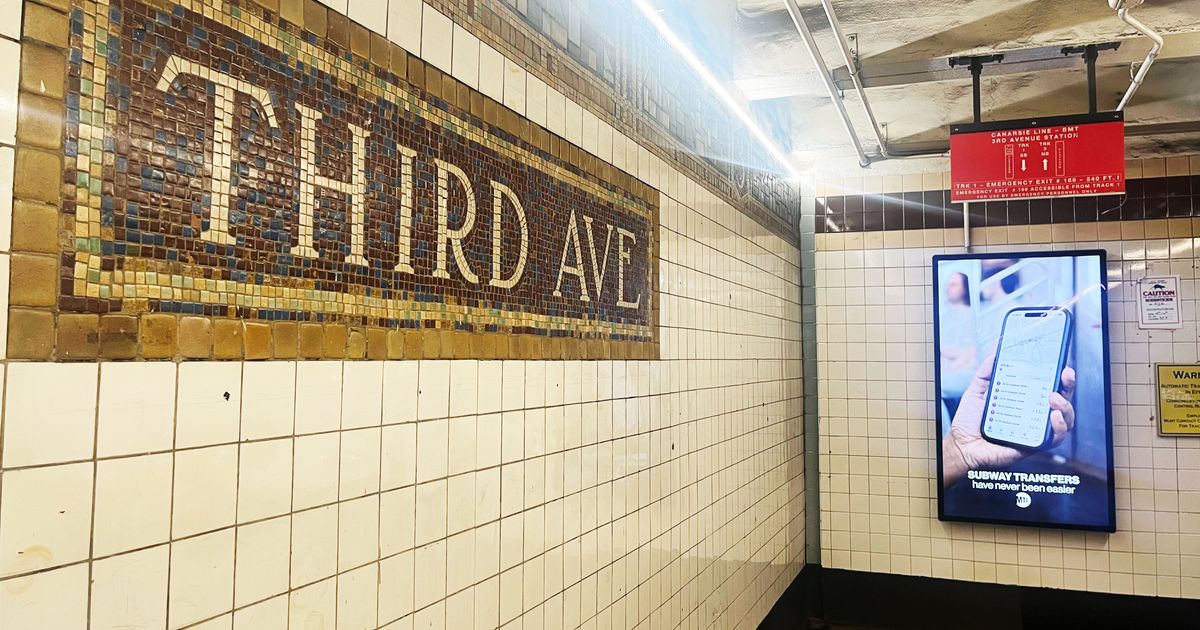
Proposal to Close Third Avenue L Station Gains Attention

Edited by Hollis Keystead
Mortgages & Policy · Updated October 2, 2026
Joshua Wolk has presented a case for shutting down the Third Avenue L Station in New York City, arguing that the closure would benefit the community. His analysis suggests that the station may not be serving its intended purpose effectively, prompting discussions about the future of public transit in the area.
Share this story
Why it matters
- ✓Home buyers may see changes in property values depending on access to public transit.
- ✓Real estate investors could reassess investment strategies based on transit accessibility.
- ✓The proposal could influence urban planning and development in the surrounding neighborhoods.
Proposal to Close Third Avenue L Station Gains Attention
Joshua Wolk, a data analyst and advocate for public transit reform, has sparked a debate regarding the future of the Third Avenue L Station in New York City. His proposal to shut down the station is based on extensive analysis and data that he believes demonstrates the station's inefficacy in serving the community. This article explores Wolk's arguments, the implications of his proposal, and what it could mean for home buyers, sellers, and real estate investors in the area.
The Case for Closure
Wolk's analysis suggests that the Third Avenue L Station is underutilized and does not provide the level of service that justifies its continued operation. He argues that the station fails to connect effectively with other transit lines and that its ridership numbers do not warrant its maintenance costs. By presenting these findings, Wolk aims to encourage a reevaluation of how public transit resources are allocated in New York City.
Implications for Real Estate
The potential closure of the Third Avenue L Station could have significant implications for the real estate market in the surrounding neighborhoods. Here are a few key considerations:
-
Property Values: Access to public transit is a critical factor for many home buyers. If the station were to close, properties nearby might see a decrease in demand, leading to lower property values. Conversely, if the closure leads to improved transit options elsewhere, some areas could benefit from increased desirability.
-
Investment Strategies: Real estate investors often consider transit accessibility when evaluating potential investments. The closure of the Third Avenue L Station could prompt investors to shift their focus to areas with better transit options, potentially impacting rental markets and property development in the vicinity.
-
Urban Development: The proposal raises questions about urban planning and the future of public transit in New York City. If the Third Avenue L Station is closed, it could lead to discussions about reallocating resources to improve other transit lines or developing new infrastructure that better serves the community's needs.
Community Response
While Wolk's proposal is grounded in data, community response has been mixed. Some residents support the idea, believing that resources could be better utilized elsewhere. Others are concerned about the loss of transit options, particularly for those who rely on the L train for commuting. This divide highlights the complexities of urban transit planning and the need for comprehensive community engagement in such decisions.
Conclusion
As discussions around the potential closure of the Third Avenue L Station continue, it is essential for home buyers, sellers, and investors to stay informed about the implications of such changes. The outcome could reshape the landscape of public transit in New York City and influence real estate dynamics in the area. Whether the station remains open or closes, the conversation surrounding its future underscores the importance of effective public transit in urban environments.
Newsletter
Your weekly property signal. No spam.
Comments
Log in with
Loading comments…
More in Policy

Understanding Amendment 3: Property Tax Relief for Florida Homeowners
Amendment 3 is a proposed measure aimed at providing property tax relief to eligible homeowners in…
3h ago

Compass Sues CRMLS Over Cooperation Rules and Agent Fines
Compass has initiated a legal battle against the California Regional Multiple Listing Service…
9h ago

Candidates Propose Housing Affordability Solutions Ahead of Midterms
As the midterm elections approach, candidates are focusing on housing affordability, proposing a…
15h ago

California Mandates Disclosure of Pet Addendum with Rental Applications
Starting April 2027, California landlords will be required to disclose their pet addendum when…
15h ago