Outlook for the Housing Market in the Second Half of 2026

Edited by Tamsin Gablehart
Markets & Regional · Updated June 21, 2026
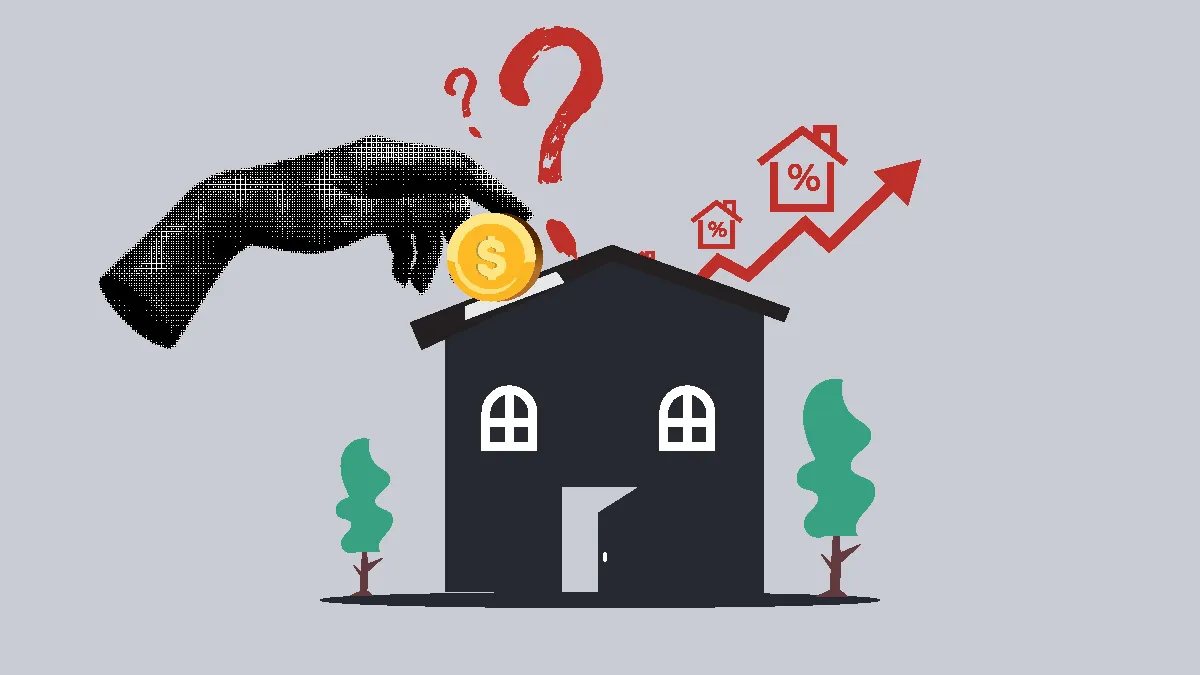
The housing market in the latter half of 2026 will largely depend on the stability of demand, particularly with mortgage rates hovering around 6.60%. As tighter comparisons come into play starting in July, the dynamics of buying and selling homes may shift significantly. Stakeholders in the real estate market should prepare for potential changes in buyer behavior and market activity.
Share this story
Why it matters
- ✓Home buyers may face challenges due to higher mortgage rates, which could limit affordability.
- ✓Sellers might need to adjust their expectations as market conditions tighten and competition increases.
- ✓Real estate investors should monitor demand trends closely to make informed decisions about property acquisitions.
Outlook for the Housing Market in the Second Half of 2026
As we move into the second half of 2026, the housing market is poised for critical developments that could reshape the landscape for home buyers, sellers, and investors alike. With mortgage rates currently around 6.60%, the key to understanding the market's trajectory will be the sustainability of demand amidst these financial conditions. This article explores the implications of these factors and what they mean for various stakeholders in the real estate sector.
Current Mortgage Rates and Their Impact
Mortgage rates are a pivotal element in the housing market, influencing both buyer affordability and seller expectations. At 6.60%, current rates are significantly higher than the historical lows seen in previous years. This increase can deter potential buyers, particularly first-time homeowners who may find it challenging to enter the market. As borrowing costs rise, the pool of eligible buyers may shrink, leading to a slowdown in home sales.
Demand Stability: A Critical Factor
The second half of 2026 will hinge on whether demand remains positive. If buyers continue to show interest in purchasing homes despite higher rates, the market may stabilize. However, if demand falters, we could see a shift in market dynamics. Tighter comparisons starting in July may further complicate the situation, as the market adjusts to these new conditions.
Real estate professionals should keep a close eye on consumer sentiment and economic indicators that could signal changes in demand. Factors such as employment rates, wage growth, and overall economic health will play crucial roles in shaping buyer behavior.
Implications for Home Buyers
For home buyers, the current mortgage rates present both challenges and opportunities. Higher rates may limit the types of homes buyers can afford, pushing them towards more budget-friendly options or delaying their purchase altogether. Additionally, buyers may need to be more strategic in their negotiations as competition could tighten with fewer homes available on the market.
Home buyers should also consider the timing of their purchases. If demand remains strong, waiting too long could result in higher prices and fewer options. Conversely, if demand weakens, buyers might find better deals but could face a longer wait for their desired properties.
Seller Strategies in a Tightening Market
Sellers in the housing market will need to adapt to the changing landscape as tighter comparisons come into play. With fewer buyers in the market, sellers may need to adjust their pricing strategies and be more flexible in negotiations. Homes that are priced too high may linger on the market longer, leading to potential price reductions.
Sellers should also focus on enhancing the appeal of their properties. This could involve making necessary repairs, staging homes effectively, and ensuring that listings are marketed well to attract potential buyers. The ability to stand out in a competitive market will be crucial for sellers looking to make successful transactions.
Considerations for Real Estate Investors
For real estate investors, the second half of 2026 presents both risks and opportunities. Monitoring demand trends will be essential for making informed decisions about property acquisitions. Investors should assess the potential for rental income, property appreciation, and overall market stability before committing to new investments.
Investors may also want to consider diversifying their portfolios to mitigate risks associated with fluctuating demand. Properties in different locations or market segments may provide a buffer against downturns in specific areas. Additionally, understanding the local market dynamics will be crucial for identifying lucrative investment opportunities.
Conclusion
The housing market in the latter half of 2026 is set to be influenced by several key factors, primarily revolving around mortgage rates and demand stability. Home buyers, sellers, and investors must remain vigilant and adaptable as they navigate these changing conditions. By staying informed and responsive to market trends, stakeholders can position themselves for success in a potentially shifting real estate landscape.
Sources
- Keys to the housing market for the rest of 2026 — HousingWire
Newsletter
Your weekly property signal. No spam.
Comments
Log in with
Loading comments…
More in Market

Real, Compass, SERHANT. Expand Teams; Baird & Warner Appoints COO
Real, Compass, and SERHANT. have recently expanded their teams to enhance their service offerings…
2d ago

Existing Home Sales Show Minimal Change Amid High Borrowing Costs
Existing home sales saw a slight uptick in September, rising 1.5% to a seasonally adjusted annual…
2d ago

Brokerage Leaders Risk Losing Sight of Consumer Expectations Amid Disruption
Recent insights highlight that brokerage leaders may become distracted by industry disruptions,…
2d ago

Dark Matter Elevates Three Executives to Senior Leadership Positions
Dark Matter has announced the promotion of three executives to senior leadership roles, including…
2d ago