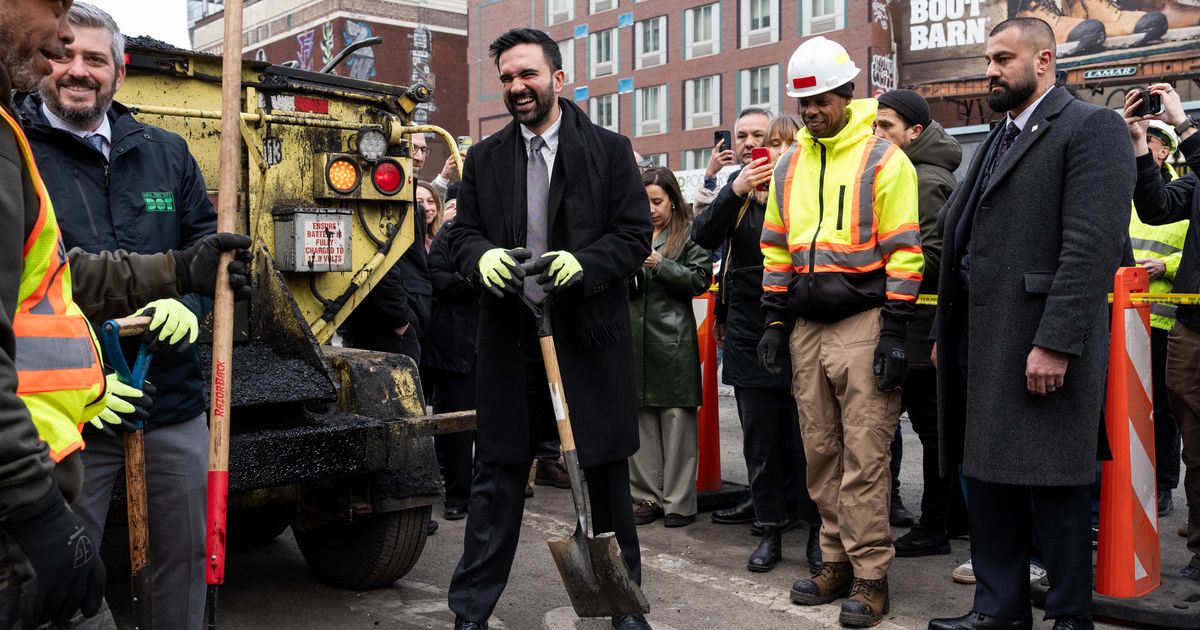
New York City Establishes Office of Curb Management

Edited by Hollis Keystead
Mortgages & Policy · Updated April 9, 2026
The New York City Department of Transportation (DOT) has launched the Office of Curb Management, aimed at optimizing the use of curb space in urban environments. This initiative seeks to address the growing challenges of transportation and urban planning by designating specific areas for various uses, including parking, loading, and public transportation. The office will play a crucial role in managing the edge of the street more effectively, ensuring that it meets the needs of all city users.
Share this story
Why it matters
- ✓Home buyers may benefit from improved urban planning that enhances accessibility and reduces congestion.
- ✓Sellers could see increased property values in areas with well-managed curb space and better transportation options.
- ✓Real estate investors might find new opportunities in properties near optimized curb spaces, which could attract more foot traffic and business.
New York City Establishes Office of Curb Management
The New York City Department of Transportation (DOT) has recently introduced the Office of Curb Management, a significant step towards enhancing the management of curb space in urban areas. This initiative is designed to tackle the complexities of transportation and urban planning by creating a dedicated focus on the edge of the street, which is increasingly becoming a critical component of city infrastructure.
The Role of the Office of Curb Management
The Office of Curb Management aims to optimize the use of curb space, which is often a contested area in bustling urban environments. As cities grow and evolve, the demand for curb space for various uses—such as parking, loading zones, bike lanes, and public transportation—has intensified. The new office will work to ensure that this space is utilized efficiently and effectively, balancing the needs of different users.
The establishment of this office reflects a growing recognition of the importance of curb management in urban planning. By designating specific areas for different uses, the DOT hopes to alleviate congestion, improve safety, and enhance the overall experience for pedestrians, cyclists, and drivers alike.
Implications for Urban Living
The creation of the Office of Curb Management is likely to have several implications for residents and businesses in New York City. For home buyers, improved curb management can lead to better accessibility and reduced traffic congestion in neighborhoods, making them more desirable places to live. Sellers may find that properties located near well-managed curb spaces could see an increase in value, as these areas become more attractive to potential buyers.
For real estate investors, the optimized use of curb space presents new opportunities. Properties located in areas with efficient curb management could attract more foot traffic and business, making them more lucrative investments. Additionally, as cities continue to prioritize sustainable transportation options, properties near public transit and bike lanes may become increasingly valuable.
Challenges Ahead
While the establishment of the Office of Curb Management is a positive development, it is not without challenges. Implementing effective curb management strategies requires careful planning and coordination among various stakeholders, including city agencies, businesses, and residents. There may be resistance from some groups who are accustomed to traditional uses of curb space, such as free parking.
Furthermore, as the city continues to adapt to changing transportation trends—such as the rise of e-commerce and delivery services—the office will need to remain flexible and responsive to new demands on curb space. This adaptability will be crucial in ensuring that the office can effectively manage the competing interests of different users.
Conclusion
The launch of the Office of Curb Management by the New York City DOT marks a significant step towards more effective urban planning and transportation management. By focusing on the optimization of curb space, the office aims to create a safer, more efficient, and more accessible urban environment for all city users. For home buyers, sellers, and real estate investors, these changes could have meaningful implications for property values and investment opportunities in the city.
Sources
- Meet the Office of Curb Management — Curbed
Newsletter
Your weekly property signal. No spam.
Comments
Log in with
Loading comments…
More in Policy

Voters Influence Housing Affordability Measures in Key States
Voters in California and other states are actively participating in housing reform by casting…
15h ago

Understanding Amendment 3: Key Insights for Florida Homeowners
Amendment 3 aims to provide property tax relief to eligible homeowners in Florida. The proposal is…
1d ago
Understanding Amendment 3: Property Tax Relief for Florida Homeowners
Amendment 3 is a proposed measure aimed at providing property tax relief to eligible homeowners in…
2d ago

Compass Sues CRMLS Over Cooperation Rules and Agent Fines
Compass has initiated a legal battle against the California Regional Multiple Listing Service…
2d ago