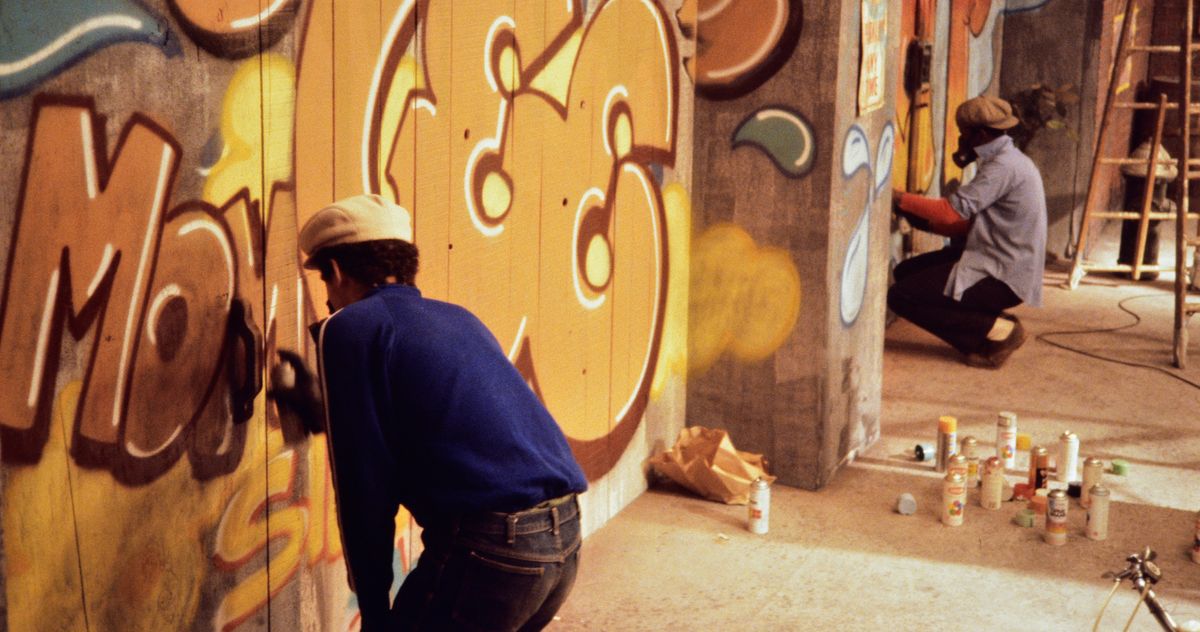
Lee Quiñones Reflects on His Legacy as a Graffiti Artist in 1980s New York

Edited by Tamsin Gablehart
Markets & Regional · Updated April 20, 2026
Lee Quiñones, a prominent figure in the 1980s New York graffiti scene, shares his experiences and the impact of his work on the art world. Known for his vibrant murals and street art, Quiñones became a symbol of the era's renegade spirit. His reflections highlight the intersection of art, urban culture, and real estate in New York City during a transformative period.
Share this story
Why it matters
- ✓Understanding the history of graffiti art can inform home buyers and investors about the cultural significance of neighborhoods and their evolving identities.
- ✓The legacy of artists like Quiñones can influence property values in areas known for their artistic heritage.
- ✓Investors may find opportunities in neighborhoods that are revitalizing their cultural and artistic scenes, potentially leading to increased demand for housing.
Lee Quiñones Reflects on His Legacy as a Graffiti Artist in 1980s New York
Introduction
Lee Quiñones, a pivotal figure in the New York graffiti scene of the 1980s, revisits his journey and the cultural landscape that shaped his work. Known for his large-scale murals and innovative street art, Quiñones became a symbol of the era's rebellious spirit. His reflections not only shed light on his personal experiences but also provide insight into the broader implications of graffiti art on urban development and real estate.
The Rise of Graffiti in New York
During the 1980s, New York City was a canvas for graffiti artists like Quiñones, who transformed urban spaces into vibrant expressions of creativity. This period was marked by a burgeoning street art movement that challenged traditional notions of art and ownership of public spaces. Quiñones, along with his contemporaries, pushed boundaries and redefined what it meant to be an artist in a city grappling with economic decline and social upheaval.
Quiñones' Artistic Journey
Lee Quiñones began his artistic career as a teenager, inspired by the streets of the Lower East Side. His work often featured bold colors and intricate designs, which captured the attention of both the public and the art world. As he gained notoriety, Quiñones became known as one of the most-wanted graffiti artists in New York, navigating the fine line between vandalism and art. His murals, often painted on subway cars and building walls, became iconic representations of the city’s cultural landscape.
The Impact of Graffiti on Urban Culture
Graffiti art, particularly in the 1980s, served as a voice for marginalized communities, allowing artists like Quiñones to express their identities and experiences. This form of art not only beautified neglected urban areas but also sparked conversations about gentrification, community, and the role of art in public spaces. As neighborhoods began to change, the presence of graffiti became a marker of cultural significance, influencing perceptions of place and identity.
Real Estate Implications
The legacy of artists like Quiñones has lasting implications for home buyers and real estate investors. Areas known for their artistic heritage often see a rise in property values as they attract new residents and businesses. Understanding the historical context of neighborhoods can provide valuable insights for potential buyers and investors looking to capitalize on emerging markets.
Investors may find opportunities in neighborhoods that are revitalizing their cultural scenes, as these areas often experience increased demand for housing and commercial spaces. The artistic legacy of graffiti can enhance the appeal of a neighborhood, making it a desirable location for both residents and businesses.
Conclusion
Lee Quiñones' reflections on his experiences as a graffiti artist in 1980s New York highlight the profound impact of art on urban culture and real estate. As neighborhoods continue to evolve, understanding the historical significance of graffiti and its role in shaping community identity can provide valuable insights for home buyers and investors alike. Quiñones' journey serves as a reminder of the power of art to transform spaces and influence the dynamics of urban living.
Sources
Newsletter
Your weekly property signal. No spam.
Comments
Log in with
Loading comments…
More in Regional

Ex-Microsoft Executive Lists $9.75 Million Seattle Estate After Price Cut
A former Microsoft executive has listed his Seattle estate for $9.75 million, following a…
14h ago

Historic 1880s Waterfront Social Club Listed for Sale with Significant Price Reduction
The Narragansett Reading Room, a Victorian social club established in the 1880s, has been listed…
14h ago

Ritz-Carlton Penthouse on Fort Lauderdale Beach To Be Auctioned to Highest Bidder
A luxurious oceanfront penthouse located in the Ritz-Carlton Residences on Fort Lauderdale Beach is…
21h ago

New Luxury Community Offers Rare Waterfront Living Near the Las Vegas Strip
La Cova, a new luxury community located within the SouthShore Lake Las Vegas in Henderson, NV,…
1d ago