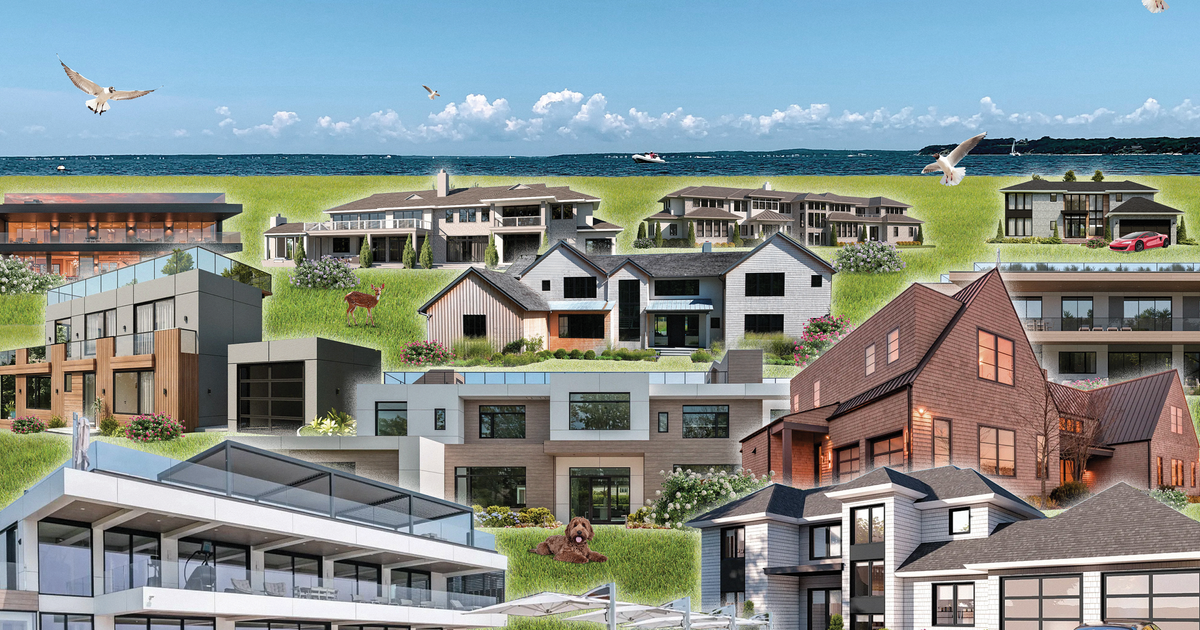
Joe Farrell Continues to Develop Controversial McMansions in the Hamptons

Edited by Tamsin Gablehart
Markets & Regional · Updated June 24, 2026
Real estate developer Joe Farrell is known for his extravagant McMansions in the Hamptons, which have drawn significant criticism from some community members and design critics. Despite the backlash, Farrell remains committed to his vision, continuing to build and iterate on these large, often polarizing homes. The ongoing debate highlights the tension between luxury development and community aesthetics in high-end real estate markets.
Share this story
Why it matters
- ✓The construction of McMansions can influence local real estate values, potentially driving up prices in the surrounding area.
- ✓Home buyers may face a market increasingly dominated by large, luxury homes, which could limit options for more modestly priced properties.
- ✓Investors should be aware of community sentiments regarding large developments, as negative perceptions can impact property desirability and resale values.
Joe Farrell Continues to Develop Controversial McMansions in the Hamptons
Introduction
Joe Farrell, a prominent real estate developer in the Hamptons, has made a name for himself through the construction of large, opulent homes often referred to as McMansions. These properties, characterized by their sprawling size and extravagant features, have sparked considerable debate within the community. While some praise Farrell's vision and the high-end market he caters to, others criticize the aesthetic and environmental impact of such developments.
The McMansion Phenomenon
The term 'McMansion' typically refers to large, mass-produced homes that often prioritize size over architectural integrity. In the Hamptons, where real estate is synonymous with luxury, Farrell's McMansions stand out for their scale and design choices. Despite the criticism they attract, Farrell continues to iterate on his designs, suggesting a commitment to his vision of luxury living.
Community Backlash
Critics argue that Farrell's McMansions detract from the traditional charm of the Hamptons, a region known for its quaint cottages and historic homes. Detractors often voice concerns about the environmental impact of such large developments, including increased traffic, strain on local resources, and the alteration of the area's natural landscape. This backlash raises important questions about the balance between development and preservation in desirable real estate markets.
The Developer's Perspective
Despite the criticism, Joe Farrell remains undeterred. He continues to build and refine his McMansion designs, suggesting that there is a market demand for these types of properties. Farrell's approach reflects a broader trend in luxury real estate, where buyers are often looking for unique, high-end features that set their homes apart from traditional offerings. This focus on luxury and individuality can be appealing to affluent buyers seeking a status symbol in a competitive market.
Implications for Home Buyers and Investors
The ongoing development of McMansions in the Hamptons has significant implications for various stakeholders in the real estate market:
- Home Buyers: As McMansions become more prevalent, buyers may find themselves in a market increasingly dominated by large, luxury homes. This trend could limit options for those seeking more modestly priced properties, potentially driving up prices in the area.
- Real Estate Investors: Investors should be aware of community sentiments regarding large developments. Negative perceptions can impact property desirability and resale values, making it crucial for investors to consider local opinions when making investment decisions.
- Local Communities: The construction of McMansions can influence local real estate values, potentially driving up prices in the surrounding area. This could lead to a shift in the demographic makeup of the community, as more affluent buyers move in and long-time residents may be priced out.
Conclusion
Joe Farrell's continued development of McMansions in the Hamptons underscores the ongoing tension between luxury real estate development and community aesthetics. While these homes cater to a specific market segment, they also raise important questions about the future of housing in desirable regions. As the debate continues, it will be essential for home buyers, investors, and local communities to navigate the implications of such developments carefully.
Sources
- ‘Do They Look Bad to You?’ — Curbed
Newsletter
Your weekly property signal. No spam.
Comments
Log in with
Loading comments…
More in Regional

Ex-Microsoft Executive Lists $9.75 Million Seattle Estate After Price Cut
A former Microsoft executive has listed his Seattle estate for $9.75 million, following a…
14h ago

Historic 1880s Waterfront Social Club Listed for Sale with Significant Price Reduction
The Narragansett Reading Room, a Victorian social club established in the 1880s, has been listed…
14h ago

Ritz-Carlton Penthouse on Fort Lauderdale Beach To Be Auctioned to Highest Bidder
A luxurious oceanfront penthouse located in the Ritz-Carlton Residences on Fort Lauderdale Beach is…
20h ago

New Luxury Community Offers Rare Waterfront Living Near the Las Vegas Strip
La Cova, a new luxury community located within the SouthShore Lake Las Vegas in Henderson, NV,…
1d ago