Jeffrey Epstein's Emails Reveal Dispute with the Frick Museum

Edited by Tamsin Gablehart
Markets & Regional · Updated April 7, 2026
Emails from Jeffrey Epstein and Howard Lutnick shed light on their opposition to renovation plans at the Frick Museum. The correspondence highlights their concerns about the museum's expansion and its potential impact on the surrounding neighborhood. This dispute underscores the tensions between local residents and cultural institutions in urban settings.
Share this story
Why it matters
- ✓Home buyers and sellers should be aware of local cultural institutions and their renovation plans, as these can affect property values.
- ✓Investors may need to consider community sentiment and opposition to developments when evaluating real estate opportunities.
- ✓Understanding the dynamics between residents and institutions can provide insights into future neighborhood developments and zoning changes.
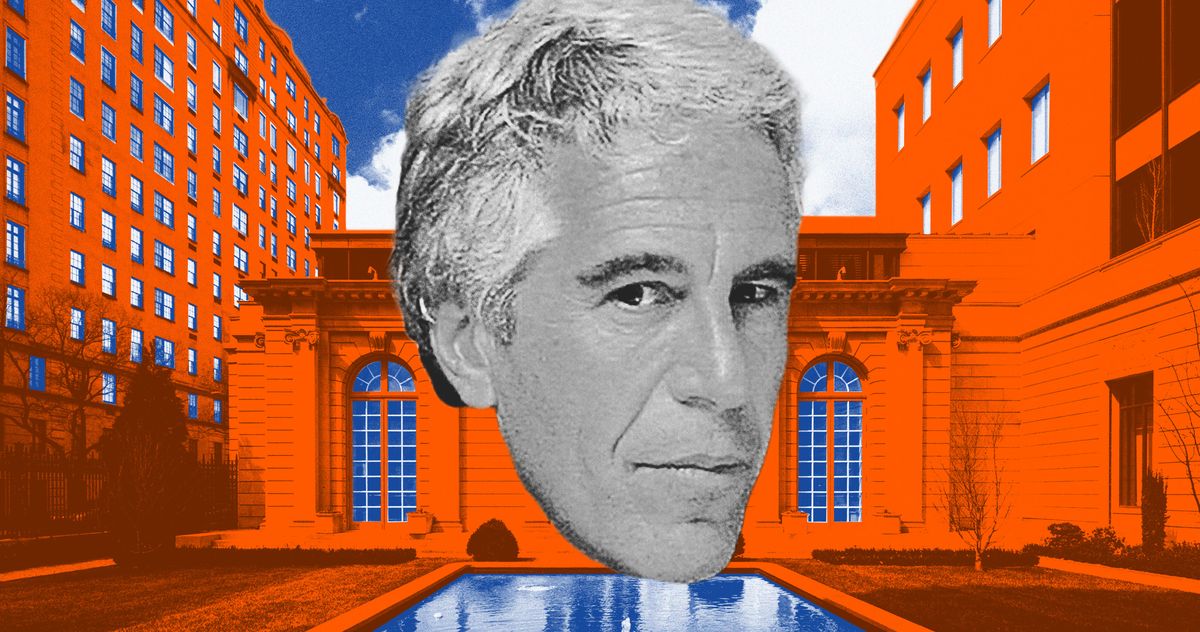
Jeffrey Epstein's Emails Reveal Dispute with the Frick Museum
Overview
Recent revelations from emails exchanged between Jeffrey Epstein and Howard Lutnick have brought to light their opposition to the Frick Museum's renovation plans. The correspondence illustrates a petty dispute that raises questions about community engagement and the impact of cultural institutions on local neighborhoods.
The Dispute
The emails reveal that Epstein and Lutnick were not just concerned about the museum's expansion but were actively involved in opposing it. Their objections appear to stem from a belief that the renovation would disrupt the character of the neighborhood and potentially diminish property values in the area. This reflects a broader sentiment often seen in urban settings where residents and local businesses may feel threatened by the expansion of cultural institutions.
Community Impact
The Frick Museum, located in a historic mansion on the Upper East Side of Manhattan, is a significant cultural landmark. Its renovation plans include updates to the museum's facilities and an expansion of its exhibition space. However, as seen in this case, such plans can lead to tensions between the museum and local residents who fear changes to their environment.
Epstein and Lutnick's emails suggest that they were not alone in their concerns; many residents often voice similar apprehensions when faced with proposed developments. This dynamic can lead to organized opposition, public meetings, and even legal challenges, all of which can delay or alter proposed projects.
Implications for Home Buyers and Investors
For home buyers and sellers, the ongoing disputes between residents and cultural institutions can have significant implications. Properties located near cultural landmarks may see fluctuations in value based on the perceived stability or desirability of the neighborhood. If a renovation is met with strong opposition, it could deter potential buyers who are concerned about future disruptions.
Investors should also take note of these dynamics. Understanding community sentiment can be crucial when evaluating potential real estate investments. Properties in neighborhoods with active community engagement and clear communication between residents and institutions may offer more stability and growth potential than those embroiled in conflict.
Conclusion
The emails exchanged between Epstein and Lutnick provide a glimpse into the complexities of urban development and community relations. As cultural institutions like the Frick Museum seek to modernize and expand, they must navigate the concerns of local residents who fear the loss of their neighborhood's character. For home buyers, sellers, and investors, staying informed about these dynamics is essential for making sound real estate decisions.
Sources
- Jeffrey Epstein vs. the Frick — Curbed
Newsletter
Your weekly property signal. No spam.
Comments
Log in with
Loading comments…
More in Regional

Ex-Microsoft Executive Lists $9.75 Million Seattle Estate After Price Cut
A former Microsoft executive has listed his Seattle estate for $9.75 million, following a…
14h ago

Historic 1880s Waterfront Social Club Listed for Sale with Significant Price Reduction
The Narragansett Reading Room, a Victorian social club established in the 1880s, has been listed…
14h ago

Ritz-Carlton Penthouse on Fort Lauderdale Beach To Be Auctioned to Highest Bidder
A luxurious oceanfront penthouse located in the Ritz-Carlton Residences on Fort Lauderdale Beach is…
21h ago

New Luxury Community Offers Rare Waterfront Living Near the Las Vegas Strip
La Cova, a new luxury community located within the SouthShore Lake Las Vegas in Henderson, NV,…
1d ago