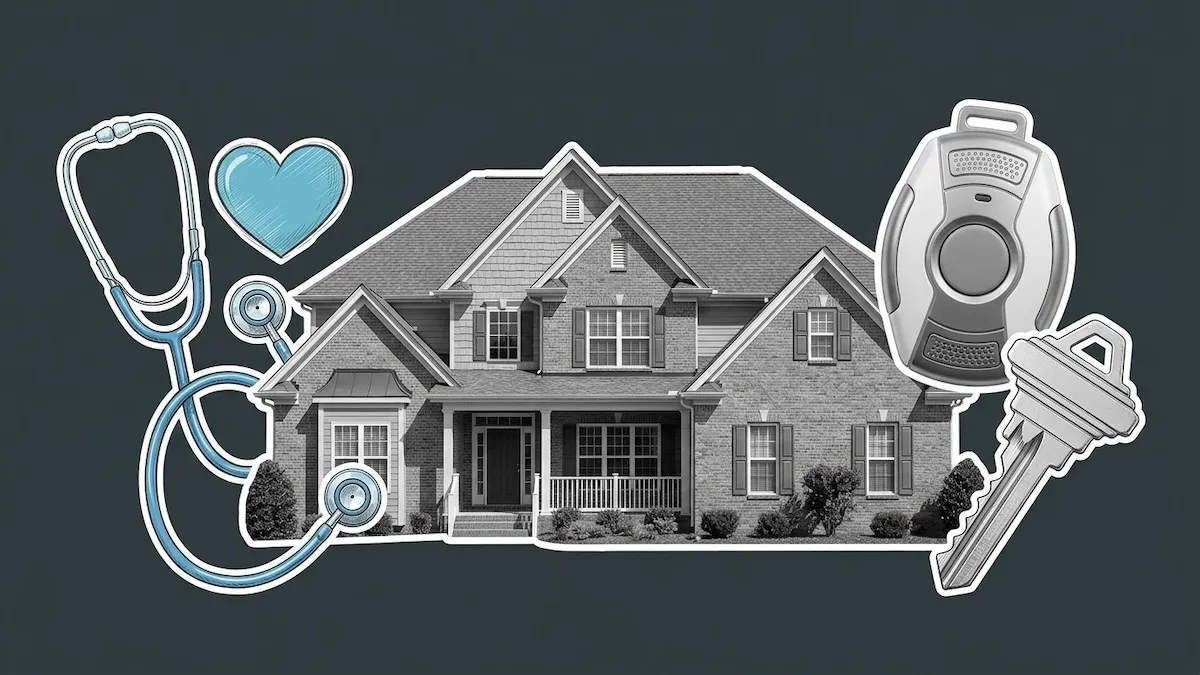
Increased State Spending on Home-Care Linked to Better Aging-in-Place Outcomes

Edited by Hollis Keystead
Mortgages & Policy · Updated July 14, 2026
A recent study has found that states investing more in home- and community-based services (HCBS) see improved outcomes for older adults choosing to age in place. This research highlights the correlation between higher home-care spending and the living arrangements of seniors. As states prioritize these services, the implications for housing markets and real estate investments become increasingly significant.
Share this story
Why it matters
- ✓Increased demand for homes that accommodate aging adults may arise, influencing market trends.
- ✓Investors may find opportunities in properties that are designed for accessibility and senior living.
- ✓Home buyers may need to consider proximity to HCBS when looking for properties, as these services become more critical.
Increased State Spending on Home-Care Linked to Better Aging-in-Place Outcomes
Overview of the Research
Recent research has highlighted a significant correlation between state investments in home- and community-based services (HCBS) and the outcomes for older adults who choose to age in place. As the population of seniors continues to grow, understanding the implications of these investments becomes increasingly important for various stakeholders in the real estate market.
The Importance of Home- and Community-Based Services
Home- and community-based services are essential for supporting older adults who prefer to remain in their homes rather than moving to assisted living facilities or nursing homes. These services can include personal care, meal delivery, transportation, and health care support. The study suggests that states that allocate more funding towards these services see a direct improvement in the ability of seniors to live independently in their communities.
Findings from the Study
The research examined various states and their spending patterns on HCBS, revealing that higher expenditures are linked to a greater number of older adults successfully aging in place. This trend indicates that when states prioritize funding for home care, they not only enhance the quality of life for seniors but also potentially reduce the need for more costly institutional care options.
Implications for Home Buyers and Sellers
As the demand for aging-in-place solutions increases, home buyers may begin to seek properties that are more suitable for older adults. This could include homes with single-level living, accessibility features, or proximity to HCBS providers. Sellers may also need to consider these factors when marketing their properties, as homes that cater to the needs of aging adults could become more desirable.
Opportunities for Real Estate Investors
For real estate investors, the findings present a unique opportunity. Properties that are designed with accessibility in mind or located near HCBS can attract a growing demographic of older adults looking to age in place. Investors may want to consider renovating existing properties to include features that appeal to this market or investing in new developments that prioritize senior living needs.
Conclusion
The connection between state spending on home care and the ability of seniors to age in place is a critical factor that can influence the real estate market. As states continue to invest in HCBS, the implications for home buyers, sellers, and investors will become increasingly pronounced. Understanding these dynamics will be essential for navigating the evolving landscape of real estate in the context of an aging population.
Sources
Newsletter
Your weekly property signal. No spam.
Comments
Log in with
Loading comments…
More in Policy

Voters Influence Housing Affordability Measures in Key States
Voters in California and other states are actively participating in housing reform by casting…
14h ago

Understanding Amendment 3: Key Insights for Florida Homeowners
Amendment 3 aims to provide property tax relief to eligible homeowners in Florida. The proposal is…
1d ago
Understanding Amendment 3: Property Tax Relief for Florida Homeowners
Amendment 3 is a proposed measure aimed at providing property tax relief to eligible homeowners in…
2d ago

Compass Sues CRMLS Over Cooperation Rules and Agent Fines
Compass has initiated a legal battle against the California Regional Multiple Listing Service…
2d ago