Impact of World Cup Traffic Management on New York City

Edited by Hollis Keystead
Mortgages & Policy · Updated June 13, 2026
The management of traffic in New York City during World Cup game days highlights potential future urban planning strategies. By restricting trucks and cars from midtown, the city may be hinting at a shift towards more pedestrian-friendly environments. This approach could reshape how residents and visitors navigate the city, especially during major events.
Share this story
Why it matters
- ✓Home buyers may see changes in neighborhood dynamics as traffic patterns evolve.
- ✓Sellers could benefit from increased property values in areas that become more accessible and desirable.
- ✓Real estate investors should consider the long-term implications of urban planning decisions on property demand.
Impact of World Cup Traffic Management on New York City
Introduction
The recent World Cup events have not only captivated sports fans but have also provided a unique lens through which to examine urban traffic management strategies. In New York City, the decision to restrict trucks and cars from midtown during game days has sparked discussions about the future of urban mobility and its implications for residents and real estate.
Traffic Management During the World Cup
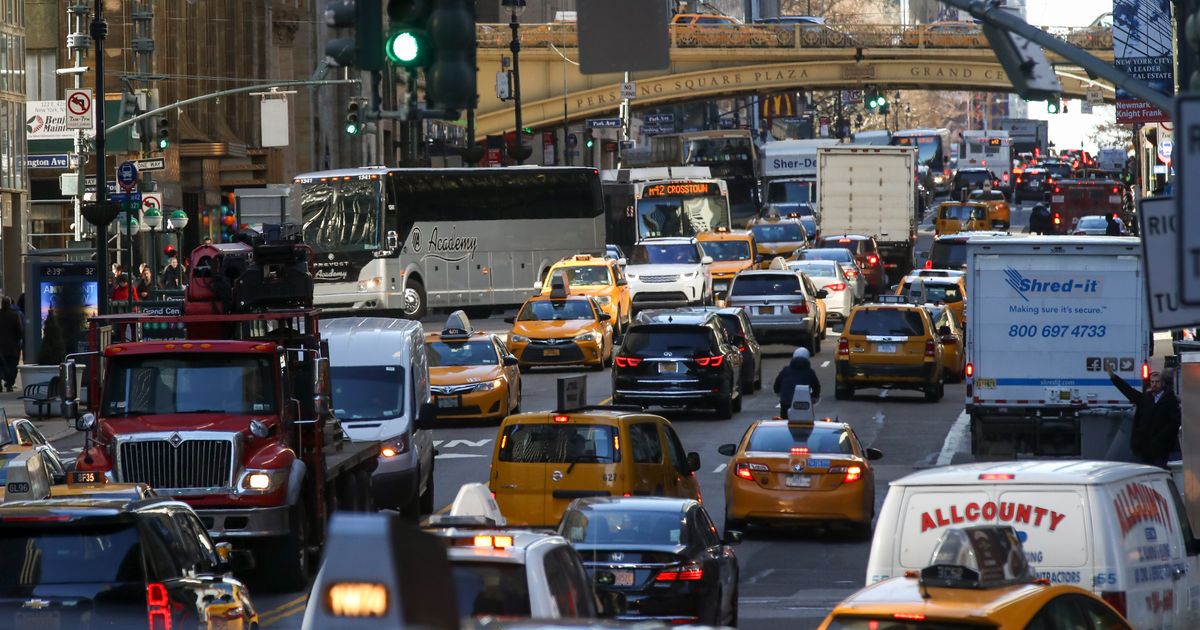
During the World Cup, New York City implemented traffic restrictions aimed at minimizing congestion in midtown, an area that is typically bustling with activity. By keeping heavy vehicles out of this central hub, the city aimed to create a more pedestrian-friendly environment, allowing fans and residents to navigate the area with greater ease. This approach not only facilitated smoother transit for those attending the games but also raised questions about the long-term viability of similar strategies in everyday urban life.
Implications for Urban Planning
The traffic management strategies employed during the World Cup may serve as a prototype for future urban planning initiatives. As cities around the world grapple with increasing congestion and the need for sustainable transit solutions, New York's experience could provide valuable insights. The idea of prioritizing pedestrian access over vehicle traffic could lead to a reimagining of city spaces, making them more accessible and enjoyable for residents and visitors alike.
Effects on Real Estate
Home Buyers
For home buyers, the changes in traffic patterns and urban design could significantly impact neighborhood dynamics. Areas that become more pedestrian-friendly may see an increase in demand, as potential buyers prioritize accessibility and quality of life. This shift could lead to rising property values in these neighborhoods, making it essential for buyers to stay informed about urban planning developments.
Sellers
Sellers in areas that benefit from improved accessibility may find that their properties become more attractive to buyers. As neighborhoods evolve to accommodate pedestrian traffic, properties in these areas could see an uptick in value. Sellers should consider how urban planning changes might enhance their property’s appeal and marketability.
Real Estate Investors
For real estate investors, the implications of traffic management strategies are multifaceted. Investments in properties located in areas targeted for pedestrian enhancements could yield significant returns as demand increases. Additionally, understanding the city's long-term urban planning goals will be crucial for making informed investment decisions. Investors should monitor how traffic management during events like the World Cup could influence broader trends in urban development.
Conclusion
The traffic management strategies implemented during the World Cup in New York City offer a glimpse into the potential future of urban planning. By prioritizing pedestrian access and minimizing vehicle congestion, the city may be setting the stage for a more sustainable and enjoyable urban environment. For home buyers, sellers, and real estate investors, staying attuned to these developments will be vital in navigating the evolving landscape of New York City's real estate market.
Sources
- A Theory of World Cup Traffic — Curbed
Newsletter
Your weekly property signal. No spam.
Comments
Log in with
Loading comments…
More in Policy

Voters Influence Housing Affordability Measures in Key States
Voters in California and other states are actively participating in housing reform by casting…
14h ago

Understanding Amendment 3: Key Insights for Florida Homeowners
Amendment 3 aims to provide property tax relief to eligible homeowners in Florida. The proposal is…
1d ago
Understanding Amendment 3: Property Tax Relief for Florida Homeowners
Amendment 3 is a proposed measure aimed at providing property tax relief to eligible homeowners in…
2d ago

Compass Sues CRMLS Over Cooperation Rules and Agent Fines
Compass has initiated a legal battle against the California Regional Multiple Listing Service…
2d ago