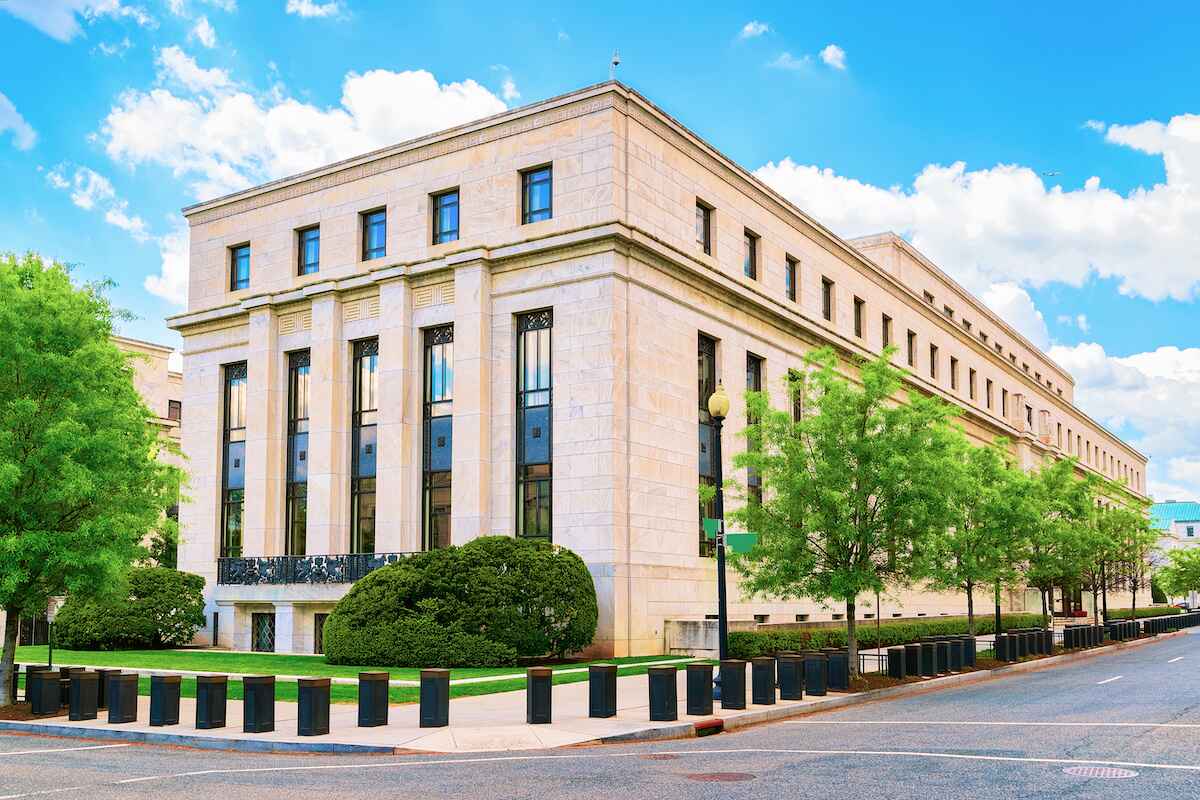
Impact of New Fed Rate-Hike Cycle on Mortgage Rates

Edited by Hollis Keystead
Mortgages & Policy · Updated September 16, 2026
Historically, new Federal Reserve rate-hike cycles have not led to lower mortgage rates. However, the current economic context presents unique factors that could influence this trend. Home buyers and investors should remain vigilant as these changes unfold.
Share this story
Why it matters
- ✓Higher interest rates can lead to increased mortgage costs, affecting affordability for home buyers.
- ✓Real estate investors may face higher borrowing costs, impacting their investment strategies.
- ✓Sellers may need to adjust their pricing strategies as buyer demand fluctuates with changing mortgage rates.
Impact of New Fed Rate-Hike Cycle on Mortgage Rates
The Federal Reserve's decisions regarding interest rates have a significant impact on the housing market, particularly mortgage rates. As the Fed enters a new rate-hike cycle, many are left wondering how this will affect mortgage rates and, by extension, the broader real estate landscape. Historically, new rate-hike cycles have not been favorable for mortgage rates, but the current economic environment presents unique circumstances that could alter this trend.
Historical Context
In previous cycles, when the Federal Reserve raised interest rates, mortgage rates tended to rise as well. This correlation is primarily due to the way that the Fed's actions influence overall market interest rates. When the Fed increases rates, borrowing becomes more expensive, which typically leads to higher mortgage rates. This pattern has been observed consistently over the years, leading many to believe that a new rate-hike cycle will similarly result in increased mortgage costs.
The Unique Current Cycle
Despite the historical precedent, the current economic context is markedly different. Factors such as inflation rates, employment levels, and global economic conditions play a crucial role in shaping the mortgage landscape. For instance, if inflation remains high, the Fed may continue to raise rates to combat it, which could lead to higher mortgage rates. Conversely, if economic growth slows or if there are signs of a recession, the Fed may reconsider its approach, potentially stabilizing or even lowering rates in response to economic pressures.
Implications for Home Buyers
For home buyers, the implications of a new Fed rate-hike cycle are significant. Higher mortgage rates can lead to increased monthly payments, which may affect affordability. As borrowing costs rise, potential buyers may find themselves priced out of the market or forced to adjust their budgets. This could lead to a slowdown in home sales, as buyers become more cautious in their purchasing decisions.
Moreover, if mortgage rates rise significantly, it could also impact the overall demand for homes. Sellers may need to reconsider their pricing strategies, especially if they are looking to sell in a market where buyers are less willing to pay higher mortgage costs.
Impact on Real Estate Investors
Real estate investors are also likely to feel the effects of a new rate-hike cycle. Higher borrowing costs can impact the profitability of investment properties, making it more challenging to finance new acquisitions or refinance existing loans. Investors may need to adjust their strategies, potentially focusing on properties that offer higher returns to offset increased costs.
Additionally, the rental market may experience shifts as well. If fewer people are able to buy homes due to higher mortgage rates, demand for rental properties could increase, potentially driving up rental prices. Investors may want to consider this dynamic when evaluating their portfolios and investment opportunities.
Conclusion
While history suggests that a new Fed rate-hike cycle may lead to higher mortgage rates, the current economic landscape is complex and could yield different outcomes. Home buyers and investors should stay informed about the Fed's actions and monitor how these changes impact mortgage rates and the broader real estate market. Understanding these dynamics will be crucial for making informed decisions in an evolving market.
Sources
- Is a new Fed rate-hike cycle good for mortgage rates? — HousingWire
Newsletter
Your weekly property signal. No spam.
Comments
Log in with
Loading comments…
More in Mortgage

First Horizon Sells $4.5B Mortgage Portfolio at Discount
First Horizon has sold a significant $4.5 billion mortgage portfolio at a discount as part of its…
20h ago
Mortgage Applications Experience Modest Decline Amid High Rates
Mortgage applications saw a 2.7% decline for the week ending October 9, as mortgage rates remained…
20h ago
Fannie Mae Reduces 2027 Mortgage Forecast Due to Rising Interest Rates
Fannie Mae has revised its mortgage forecast for 2027, primarily due to an anticipated decline in…
1d ago

Understanding Mortgage Costs for a $430K Home at 7.4% Interest Rate
As mortgage rates approach historical highs, potential home buyers are grappling with the costs…
1d ago