House Democrat Reintroduces Bill to Enhance Mortgage Credit Access

Edited by Hollis Keystead
Mortgages & Policy · Updated June 18, 2026
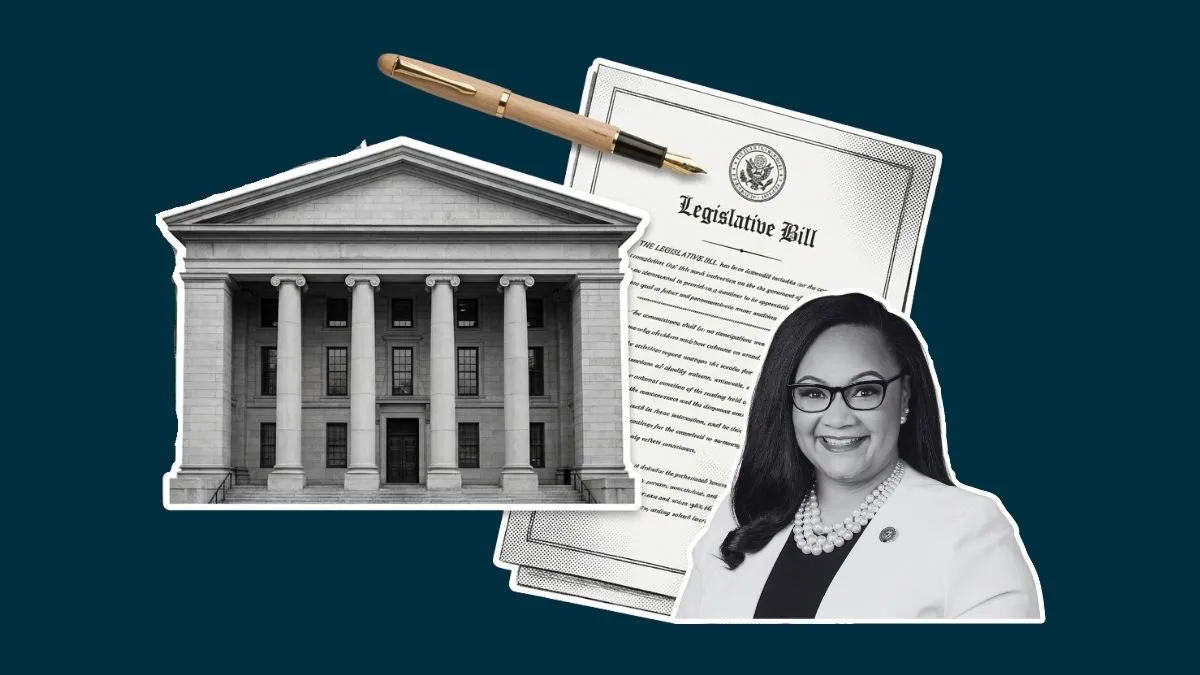
Rep. Nikema Williams has reintroduced legislation aimed at improving access to mortgage credit for homebuyers. The bill mandates that lenders utilize consumer-permissioned data, including rental and bank records, when evaluating mortgage applications if requested by the applicants. This move is intended to provide a more comprehensive view of a borrower's financial situation, potentially benefiting those with limited credit histories.
Share this story
Why it matters
- ✓The bill could help expand mortgage access for first-time homebuyers and those with non-traditional credit histories.
- ✓By allowing the use of rental and bank records, the legislation aims to create a more inclusive lending environment.
- ✓Improved access to credit may stimulate home buying activity, benefiting sellers and the overall real estate market.
House Democrat Reintroduces Bill to Enhance Mortgage Credit Access
Rep. Nikema Williams has reintroduced a significant piece of legislation aimed at improving access to mortgage credit for potential homebuyers. The bill, which focuses on the use of consumer-permissioned data, seeks to create a more inclusive lending environment, particularly for individuals who may face challenges in obtaining traditional credit assessments.
Key Provisions of the Bill
The core requirement of the reintroduced legislation is that lenders must utilize consumer-permissioned data when evaluating mortgage applications. This includes the option for applicants to provide their rental and bank records if they choose to do so. The intent behind this provision is to give lenders a broader perspective on an applicant's financial behavior and reliability, beyond the conventional credit score metrics.
Why Consumer-Permissioned Data?
Traditional credit scoring models often overlook individuals who may not have extensive credit histories, such as first-time homebuyers or those who have relied on cash transactions. By allowing the inclusion of rental and bank records, the bill aims to paint a more accurate picture of an applicant's financial stability. This could be particularly beneficial for those who have consistently paid rent on time but lack a robust credit history.
Implications for Homebuyers
The reintroduction of this bill could have far-reaching implications for homebuyers, especially for those who are currently underserved by the mortgage market. Here are some potential impacts:
- Increased Access to Mortgages: By broadening the criteria for mortgage evaluation, more individuals may qualify for home loans, thus expanding the pool of potential homebuyers.
- Support for First-Time Buyers: The legislation could particularly benefit first-time buyers who may not have established credit histories but have demonstrated financial responsibility through consistent rent payments.
- Potential for Lower Barriers: The use of alternative data sources may lower barriers for applicants who have been traditionally marginalized in the credit system, fostering a more equitable housing market.
Broader Market Impact
The implications of this legislation extend beyond individual homebuyers. A more inclusive mortgage lending environment could stimulate the housing market overall. As more individuals gain access to credit, the demand for homes may increase, benefiting sellers and potentially driving up property values. This could lead to a more dynamic real estate market, with increased activity across various segments.
Conclusion
Rep. Nikema Williams' reintroduction of this bill represents a significant step toward reforming mortgage credit access. By mandating the use of consumer-permissioned data, the legislation seeks to create a more equitable lending landscape, particularly for those who have historically faced challenges in securing financing. As the bill progresses, it will be essential to monitor its impact on homebuyers and the broader real estate market, as well as the responses from lenders and industry stakeholders.
In summary, this legislative effort could reshape how mortgage applications are evaluated, potentially leading to a more inclusive housing market that benefits a wider array of potential homeowners.
Sources
Newsletter
Your weekly property signal. No spam.
Comments
Log in with
Loading comments…
More in Policy

Voters Influence Housing Affordability Measures in Key States
Voters in California and other states are actively participating in housing reform by casting…
15h ago

Understanding Amendment 3: Key Insights for Florida Homeowners
Amendment 3 aims to provide property tax relief to eligible homeowners in Florida. The proposal is…
1d ago
Understanding Amendment 3: Property Tax Relief for Florida Homeowners
Amendment 3 is a proposed measure aimed at providing property tax relief to eligible homeowners in…
2d ago

Compass Sues CRMLS Over Cooperation Rules and Agent Fines
Compass has initiated a legal battle against the California Regional Multiple Listing Service…
2d ago