Home Price Appreciation Edges Higher Amid Growing Regional Divide

Edited by Tamsin Gablehart
Markets & Regional · Updated September 25, 2026
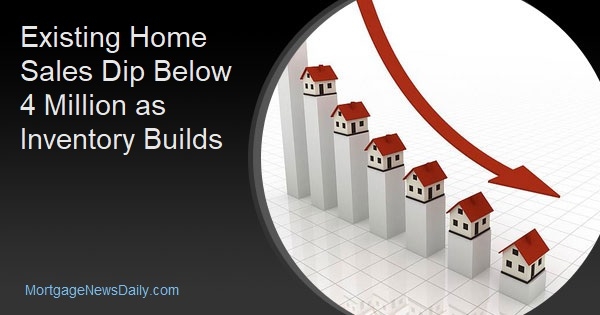
Home prices in the U.S. have shown modest gains, with the FHFA and S&P CoreLogic Case-Shiller indices reporting a 2.1% increase from Q2 2025 to Q2 2026. However, this growth is overshadowed by a significant regional divide, as some markets continue to see price increases while others experience declines. Meanwhile, existing home sales have dipped below 4 million, influenced by rising mortgage rates and an increase in housing inventory.
Share this story
Why it matters
- ✓Home buyers may find more options available due to increased inventory, but high mortgage rates could limit their purchasing power.
- ✓Sellers in declining markets may face challenges in achieving desired sale prices, while those in appreciating areas could benefit from continued demand.
- ✓Real estate investors should be aware of regional disparities, as some markets may offer better opportunities for appreciation than others.
Home Price Appreciation Edges Higher Amid Growing Regional Divide
Home prices in the United States have continued to show modest gains, according to the latest readings from the Federal Housing Finance Agency (FHFA) and the S&P CoreLogic Case-Shiller Home Price Indices. The FHFA reported a 2.1% increase in U.S. house prices from the second quarter of 2025 to the second quarter of 2026, while the S&P CoreLogic index has also indicated stronger annual gains compared to previous months. However, this growth is tempered by the reality that inflation is outpacing home value increases, creating a complex landscape for home buyers and sellers alike.
Existing Home Sales Dip Below 4 Million
In a related development, existing home sales have dipped below the 4 million annualized pace for the first time since June 2025. The National Association of REALTORS® (NAR) reported a 2.0% decline in sales from July, resulting in a seasonally adjusted annual rate of 3.98 million. This figure is also 1.2% lower than the same time last year. NAR Chief Economist Lawrence Yun attributed this dip to high mortgage rates, which have historically moved in opposition to home sales. Despite this decline, sales are still 1.6% higher year-to-date through the first eight months of the year, supported by wage growth and job creation.
Inventory Levels Reach New Heights
The recent dip in sales coincides with a significant increase in housing inventory, which has reached its highest level in over a decade. This increase in available homes gives buyers more options, potentially easing some of the competitive pressure seen in previous years. However, the elevated mortgage rates continue to limit the improvement in buying power, as potential buyers are faced with higher borrowing costs.
Regional Disparities in Home Prices
While national home price figures show an overall increase, they mask a growing divide among different regional markets. Some areas are experiencing healthy price growth, while others are seeing declines. The FHFA's seasonally adjusted index remained unchanged from May to June, indicating that the modest quarterly gains were achieved without significant momentum. This divergence in market performance highlights the importance of localized knowledge for buyers and investors.
Pending home sales have also shown a slight rebound, increasing by 0.3% in August, driven by gains in the South and West. However, this increase is overshadowed by a 4.7% decline compared to the previous year. The NAR's Pending Home Sales Index (PHSI) indicates that pending sales remain approximately 30% below pre-pandemic levels, suggesting that the market is still recovering from the disruptions caused by the pandemic.
Implications for Home Buyers and Investors
For home buyers, the increase in inventory may provide more choices, but the high mortgage rates could limit their ability to purchase homes at desired price points. Buyers should carefully assess their financial situations and consider the long-term implications of rising interest rates on their purchasing power.
Sellers, particularly in markets where prices are declining, may face challenges in achieving their desired sale prices. Conversely, sellers in appreciating markets may benefit from continued demand, making it a favorable time to list their properties.
Real estate investors should be aware of the regional disparities in home price appreciation. Markets that are experiencing healthy growth may present better opportunities for investment, while those with declining prices may require more cautious strategies.
In conclusion, while home price appreciation is edging higher nationally, the growing regional divide and the impact of rising mortgage rates create a complex environment for home buyers, sellers, and investors. Understanding these dynamics will be crucial for navigating the current real estate landscape.
Sources
- Existing Home Sales Dip Below 4 Million as Inventory Builds — Mortgage News Daily
- Home Price Appreciation Edges Higher Amid Growing Regional Divide — Mortgage News Daily
- Pending Sales Rebound Slightly as Regional Results Diverge — Mortgage News Daily
Newsletter
Your weekly property signal. No spam.
Comments
Log in with
Loading comments…
More in Market

Real, Compass, SERHANT. Expand Teams; Baird & Warner Appoints COO
Real, Compass, and SERHANT. have recently expanded their teams to enhance their service offerings…
1d ago
Existing Home Sales Show Minimal Change Amid High Borrowing Costs
Existing home sales saw a slight uptick in September, rising 1.5% to a seasonally adjusted annual…
1d ago

Brokerage Leaders Risk Losing Sight of Consumer Expectations Amid Disruption
Recent insights highlight that brokerage leaders may become distracted by industry disruptions,…
1d ago

Dark Matter Elevates Three Executives to Senior Leadership Positions
Dark Matter has announced the promotion of three executives to senior leadership roles, including…
1d ago