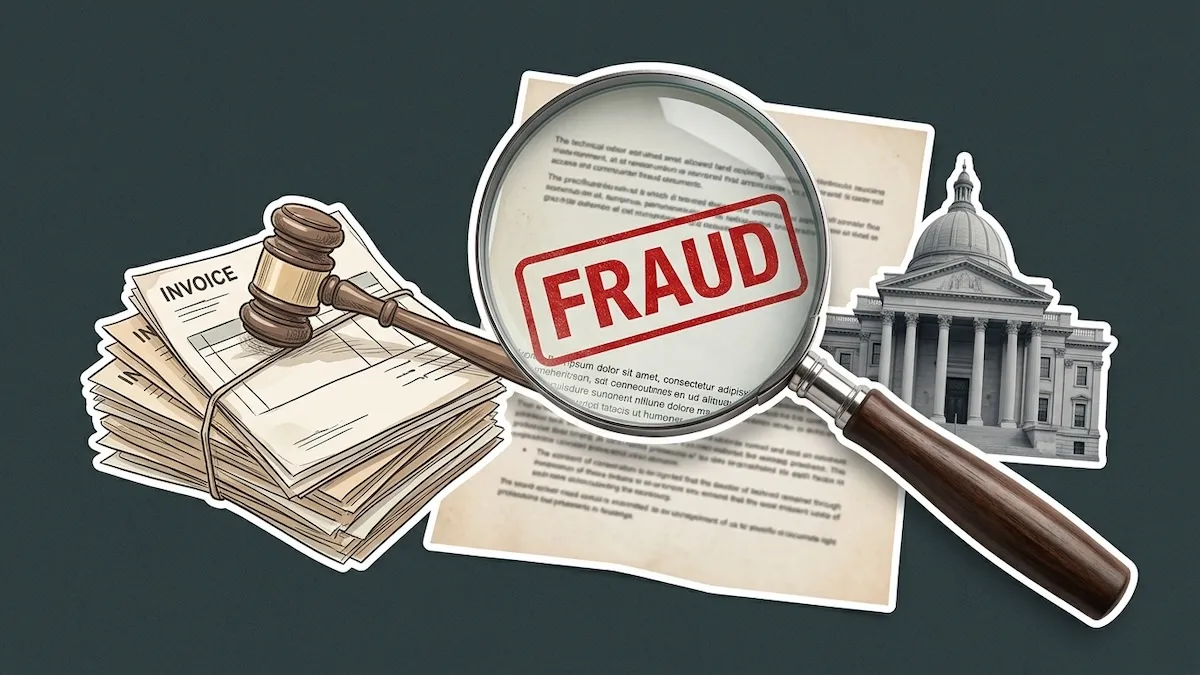
Georgia Housing Agency Targeted in $2.5 Million Fraud Scheme

Edited by Hollis Keystead
Mortgages & Policy · Updated July 16, 2026
Prosecutors have unveiled a fraudulent scheme that allegedly siphoned $2.5 million from a Georgia housing agency over four years. The scheme involved the use of false invoices, kickbacks, and fraudulent payments, raising concerns about financial oversight within public agencies. This incident highlights vulnerabilities in public funding mechanisms that could impact housing initiatives.
Share this story
Why it matters
- ✓Potential delays in housing programs funded by the agency could affect home buyers and renters seeking affordable housing options.
- ✓Increased scrutiny and regulatory changes may arise, impacting how real estate transactions are conducted within the state.
- ✓Investors may need to reassess the stability of housing agencies and their funding sources, influencing investment decisions.
Georgia Housing Agency Targeted in $2.5 Million Fraud Scheme
Overview of the Fraud Scheme
In a troubling revelation, prosecutors have detailed a fraudulent scheme that allegedly defrauded a Georgia housing agency of $2.5 million over a span of four years. The scheme reportedly involved the submission of false invoices, kickbacks, and fraudulent payments, raising serious questions about the oversight and management of public funds.
Details of the Allegations
According to the prosecutors, the fraudulent activities were orchestrated through a series of deceptive practices that exploited weaknesses in the agency's financial controls. False invoices were created to justify payments that were never intended for legitimate services. Additionally, kickbacks were allegedly paid to individuals involved in the scheme, further complicating the web of deceit.
This situation not only highlights the potential for corruption within public agencies but also underscores the importance of robust financial oversight mechanisms to protect taxpayer dollars. The investigation into the fraud scheme is ongoing, and further details may emerge as authorities continue to probe the extent of the misconduct.
Implications for Home Buyers and Sellers
The fallout from this fraud scheme could have significant implications for home buyers and sellers in Georgia. With the agency's funds being misappropriated, there may be delays in housing programs that are crucial for providing affordable housing options. Home buyers relying on assistance programs may find themselves facing longer wait times or reduced funding availability, which could hinder their ability to purchase homes.
Additionally, sellers may experience a slowdown in the market as potential buyers navigate the uncertainty surrounding housing agency programs. The ripple effects of this fraud could lead to a more cautious approach among buyers and sellers alike, impacting overall market dynamics.
Impact on Real Estate Investors
For real estate investors, the fraud scheme raises concerns about the stability and reliability of housing agencies in Georgia. Investors often rely on public funding and programs to support their projects, and incidents like this can lead to increased scrutiny and regulatory changes. Investors may need to reassess their strategies and consider the potential risks associated with funding sources tied to public agencies.
Moreover, the investigation may prompt a reevaluation of existing contracts and partnerships with housing agencies, as investors seek to mitigate risks associated with financial mismanagement. The potential for increased regulation could also affect the overall investment climate in the state, leading to a more cautious approach among investors.
Conclusion
The $2.5 million fraud scheme targeting a Georgia housing agency serves as a stark reminder of the vulnerabilities present in public funding mechanisms. As the investigation unfolds, the implications for home buyers, sellers, and real estate investors will become clearer. It is crucial for stakeholders in the real estate market to remain vigilant and informed about developments related to this case, as the outcomes may significantly influence the housing landscape in Georgia.
In light of this incident, there may be a renewed focus on improving financial oversight and accountability within public agencies to prevent similar occurrences in the future. The integrity of housing programs is essential for ensuring that all Georgians have access to safe and affordable housing options.
Sources
Newsletter
Your weekly property signal. No spam.
Comments
Log in with
Loading comments…
More in Policy

Voters Influence Housing Affordability Measures in Key States
Voters in California and other states are actively participating in housing reform by casting…
14h ago

Understanding Amendment 3: Key Insights for Florida Homeowners
Amendment 3 aims to provide property tax relief to eligible homeowners in Florida. The proposal is…
1d ago
Understanding Amendment 3: Property Tax Relief for Florida Homeowners
Amendment 3 is a proposed measure aimed at providing property tax relief to eligible homeowners in…
2d ago

Compass Sues CRMLS Over Cooperation Rules and Agent Fines
Compass has initiated a legal battle against the California Regional Multiple Listing Service…
2d ago