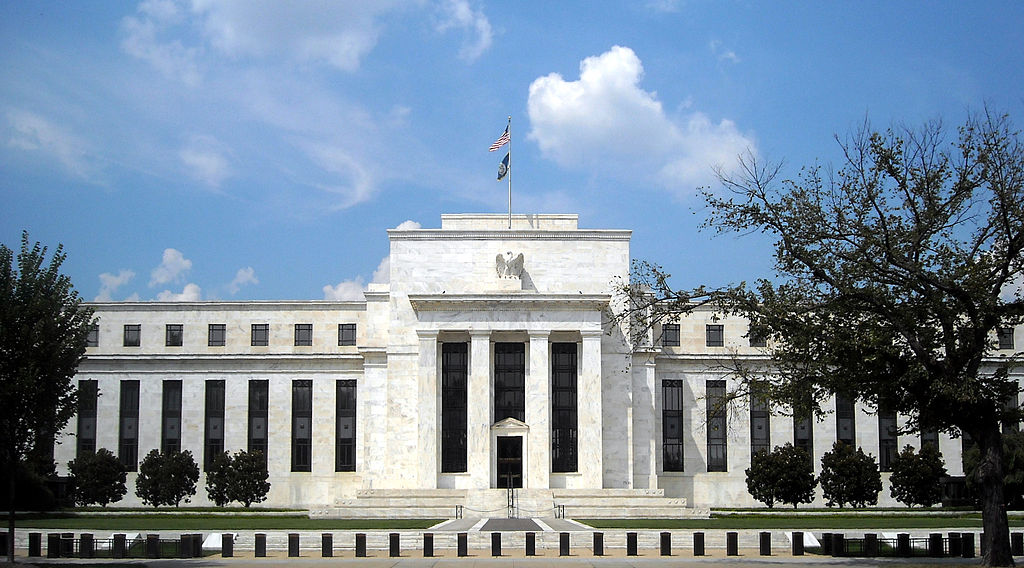
Former Fed Chair Alan Greenspan Dies at 100

Edited by Hollis Keystead
Mortgages & Policy · Updated June 22, 2026
Alan Greenspan, the former chairman of the Federal Reserve, passed away at the age of 100 due to complications from Parkinson's disease. Greenspan served as Fed chair from 1987 to 2006, and his policies are often scrutinized in relation to the 2008 housing crisis. His death marks the end of an era in U.S. monetary policy and economic management.
Share this story
Why it matters
- ✓Greenspan's policies during his tenure as Fed chair have had lasting impacts on the housing market, influencing lending practices and interest rates.
- ✓His approach to regulation and monetary policy is still debated among economists, affecting current discussions on housing affordability and market stability.
- ✓Investors and home buyers may reflect on his legacy as they navigate current economic conditions shaped by past monetary policies.
Former Fed Chair Alan Greenspan Dies at 100
Alan Greenspan, the former chairman of the Federal Reserve, passed away at the age of 100 on Monday due to complications from Parkinson's disease. His death marks the end of a significant chapter in U.S. economic history, as Greenspan was a pivotal figure in shaping monetary policy for nearly two decades.
A Long Tenure at the Federal Reserve
Greenspan served as the chairman of the Federal Reserve from 1987 until 2006, making him one of the longest-serving leaders in the institution's history. His tenure was characterized by a commitment to controlling inflation and fostering economic growth. Under his leadership, the U.S. experienced significant economic expansion, but his policies have also been criticized for contributing to the conditions that led to the 2008 housing crisis.
Legacy and Controversy
Greenspan's approach to monetary policy was often described as a balancing act between stimulating the economy and preventing inflation. He was known for his use of interest rate adjustments to influence economic activity. However, his deregulation policies in the early 2000s, particularly regarding mortgage lending, have been scrutinized for their role in the housing bubble and subsequent crash.
The 2008 financial crisis led to widespread foreclosures and a significant downturn in the housing market, prompting many to reevaluate the effectiveness of Greenspan's policies. Critics argue that his decisions contributed to a lack of oversight in the financial sector, allowing risky lending practices to proliferate.
Implications for Home Buyers and Investors
Greenspan's death may prompt renewed discussions about the legacy of his policies and their impact on today's housing market. Here are a few implications for home buyers and real estate investors:
-
Reflection on Monetary Policy: Greenspan's policies continue to influence current monetary policy discussions. Home buyers and investors may want to consider how past decisions shape today's interest rates and lending practices.
-
Market Stability: The debate surrounding Greenspan's regulatory approach may affect current regulatory frameworks. Investors should stay informed about potential changes in regulations that could impact market stability and housing affordability.
-
Historical Context: Understanding Greenspan's legacy can provide valuable context for current economic conditions. Home buyers and investors may benefit from analyzing how past economic policies affect current market dynamics.
Conclusion
Alan Greenspan's passing is a significant moment in the history of U.S. economic policy. His influence on the Federal Reserve and the broader economy will continue to be felt for years to come. As home buyers and investors navigate the current real estate landscape, reflecting on Greenspan's legacy may provide insights into the ongoing evolution of monetary policy and its implications for the housing market.
Sources
- Former Fed chair Alan Greenspan dies at 100 — HousingWire
Newsletter
Your weekly property signal. No spam.
Comments
Log in with
Loading comments…
More in Policy

Voters Influence Housing Affordability Measures in Key States
Voters in California and other states are actively participating in housing reform by casting…
14h ago

Understanding Amendment 3: Key Insights for Florida Homeowners
Amendment 3 aims to provide property tax relief to eligible homeowners in Florida. The proposal is…
1d ago
Understanding Amendment 3: Property Tax Relief for Florida Homeowners
Amendment 3 is a proposed measure aimed at providing property tax relief to eligible homeowners in…
2d ago

Compass Sues CRMLS Over Cooperation Rules and Agent Fines
Compass has initiated a legal battle against the California Regional Multiple Listing Service…
2d ago