Five Architecture Firms Proposed for New York's Future Landmarks

Edited by Tamsin Gablehart
Markets & Regional · Updated April 4, 2026
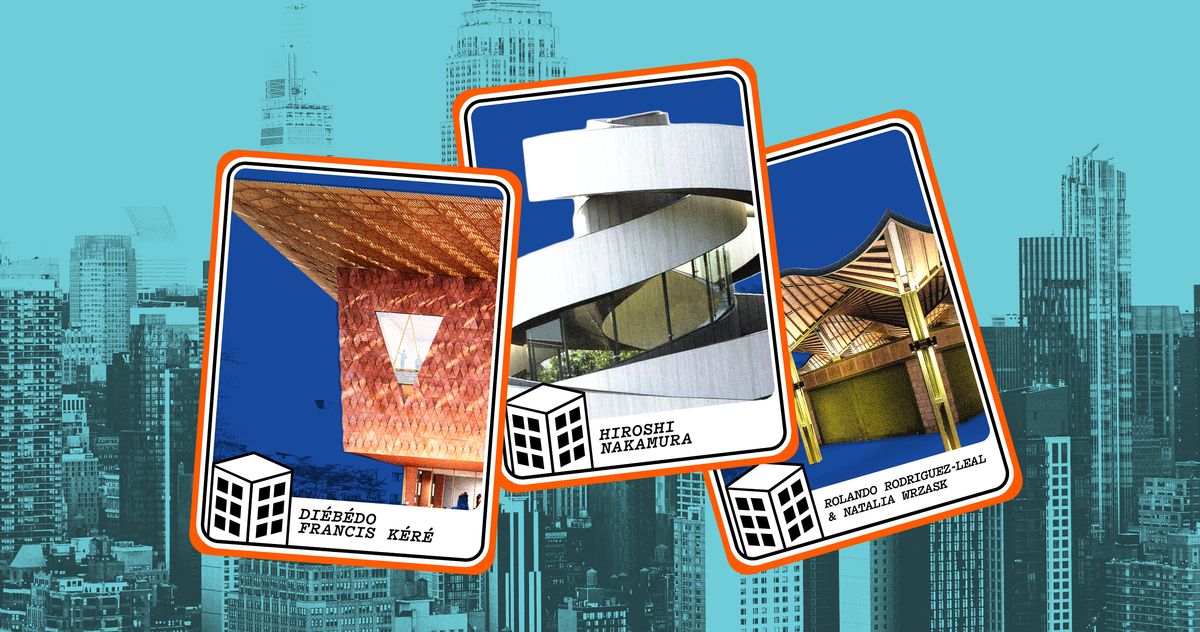
Curbed highlights five international architecture firms that have yet to design projects in New York City but are considered ideal candidates for future landmarks. These firms are recognized for their innovative designs and could significantly influence the architectural landscape of the city. Their potential contributions may enhance urban aesthetics and functionality, impacting the real estate market.
Share this story
Why it matters
- ✓New architectural landmarks can increase property values in surrounding areas.
- ✓Innovative designs may attract more residents and businesses to the city, boosting demand for housing.
- ✓The selection of these firms could set trends in sustainable and modern architecture, influencing future developments.
Five Architecture Firms Proposed for New York's Future Landmarks
As New York City continues to evolve, the conversation around its architectural future is becoming increasingly relevant. Curbed recently spotlighted five international architecture firms that have yet to leave their mark on the city's skyline but are considered prime candidates for designing future landmarks. This article explores these firms and their potential impact on New York's architectural landscape, as well as the implications for home buyers, sellers, and real estate investors.
The Firms in Focus
The five firms highlighted by Curbed are known for their innovative approaches and unique design philosophies. While specific details about each firm’s proposed projects in New York are not available, their global portfolios suggest a capacity to contribute significantly to the city’s architectural identity. Here’s a brief overview of each firm:
-
Zaha Hadid Architects - Known for their futuristic and fluid designs, Zaha Hadid Architects has made a name for themselves with projects that challenge conventional architectural forms. Their work often emphasizes organic shapes and innovative use of materials.
-
Kéré Architecture - Founded by Burkina Faso-born architect Francis Kéré, this firm is celebrated for its commitment to sustainability and community-focused designs. Kéré’s work often integrates local materials and cultural elements, making it both environmentally friendly and culturally relevant.
-
Ghotmeh Studio - This firm, led by Lebanese architect Lina Ghotmeh, is recognized for its poetic and contextually sensitive designs. Ghotmeh’s work often reflects a deep understanding of the social and environmental contexts in which it is situated.
-
Aidia Studio - Known for their innovative and playful designs, Aidia Studio focuses on creating spaces that foster community interaction. Their projects often incorporate elements that encourage social engagement and connectivity.
-
Nakamura & Partners - This Japanese firm is known for its minimalist and functional designs that harmonize with their surroundings. Their approach often emphasizes simplicity and elegance, making their buildings both practical and aesthetically pleasing.
Why This Matters for Real Estate
The potential involvement of these architecture firms in New York City could have significant implications for the real estate market. Here are a few reasons why this matters:
-
Increased Property Values: New architectural landmarks often lead to increased property values in their vicinity. As these firms bring their unique designs to the city, nearby properties may see a rise in demand, benefiting current homeowners and investors alike.
-
Attracting Residents and Businesses: Innovative and aesthetically pleasing architecture can attract more residents and businesses to the area. As the city becomes more desirable due to its architectural advancements, the demand for housing is likely to increase, which can lead to a competitive market for home buyers.
-
Setting Trends in Sustainable Design: Many of the firms mentioned are known for their commitment to sustainability. As New York continues to address climate change and environmental concerns, the adoption of sustainable architectural practices could influence future developments across the city, potentially leading to a more eco-friendly real estate market.
Conclusion
While the specific projects and timelines for these firms remain uncertain, their potential contributions to New York's architectural landscape are noteworthy. As the city looks to the future, the integration of innovative designs could reshape not only its skyline but also its real estate market. Home buyers, sellers, and investors should keep an eye on these developments, as they may present new opportunities and challenges in the ever-evolving landscape of New York City real estate.
Newsletter
Your weekly property signal. No spam.
Comments
Log in with
Loading comments…
More in Regional

Ex-Microsoft Executive Lists $9.75 Million Seattle Estate After Price Cut
A former Microsoft executive has listed his Seattle estate for $9.75 million, following a…
14h ago

Historic 1880s Waterfront Social Club Listed for Sale with Significant Price Reduction
The Narragansett Reading Room, a Victorian social club established in the 1880s, has been listed…
14h ago

Ritz-Carlton Penthouse on Fort Lauderdale Beach To Be Auctioned to Highest Bidder
A luxurious oceanfront penthouse located in the Ritz-Carlton Residences on Fort Lauderdale Beach is…
20h ago

New Luxury Community Offers Rare Waterfront Living Near the Las Vegas Strip
La Cova, a new luxury community located within the SouthShore Lake Las Vegas in Henderson, NV,…
1d ago