Exploring the Unique Living Spaces of New York Teens

Edited by Tamsin Gablehart
Markets & Regional · Updated July 16, 2026
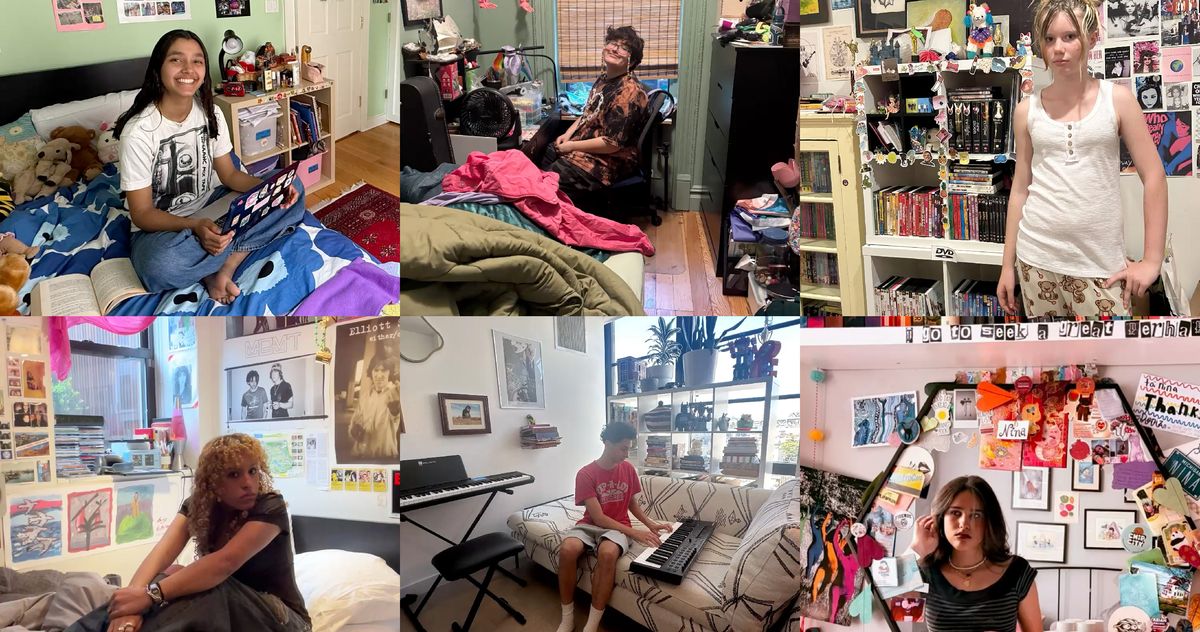
In New York City, teenagers are adapting to small living spaces that often double as multifunctional areas. Their bedrooms can be creative solutions like lofted nooks or repurposed corners, reflecting the challenges of urban living. This trend highlights the innovative ways young residents personalize their environments despite spatial limitations.
Share this story
Why it matters
- ✓Understanding how teens utilize small spaces can inform home buyers about the importance of flexible room designs.
- ✓Sellers may need to consider the appeal of multifunctional spaces when marketing homes to families.
- ✓Real estate investors could see potential in properties that offer adaptable living areas for younger demographics.
Exploring the Unique Living Spaces of New York Teens
In the bustling urban landscape of New York City, the concept of personal space takes on a new meaning, especially for teenagers. With the city's notorious real estate market, many young residents find themselves navigating small living quarters that require creativity and adaptability. This article delves into how New York teens are making the most of their limited space, transforming their bedrooms into multifunctional areas that reflect their personalities and lifestyles.
The Challenge of Small Spaces
New York City is known for its high cost of living and limited square footage, particularly in residential properties. For many families, this means that a teenager's bedroom may not be a standalone space but rather a corner of a larger room or a lofted nook that serves multiple purposes. In some cases, a teen's bedroom may even double as a workspace for parents, further complicating the dynamics of personal space.
The reality of living in such confined areas has prompted teens to think outside the box. Instead of traditional bedroom setups, they are creating unique environments that cater to their needs for privacy, study, and relaxation. This adaptability is not just a necessity; it is also a form of self-expression.
Creative Solutions for Personalization
Teenagers in New York are embracing innovative design solutions to maximize their small spaces. Some common approaches include:
- Lofted Beds: By elevating their beds, teens can free up floor space for desks, seating areas, or even small lounges. This design allows for a more open feel in cramped quarters.
- Repurposed Corners: Many teens are transforming underutilized areas into functional spaces. For instance, a corner of a room might become a cozy reading nook or a study area with the addition of a small desk and shelving.
- Multifunctional Furniture: The use of furniture that serves multiple purposes, such as a bed with built-in storage or a fold-out desk, is becoming increasingly popular. This not only saves space but also allows for a more organized living environment.
These creative solutions not only enhance the functionality of a teen's living space but also allow for personalization, making the room a reflection of their identity and interests.
Implications for Home Buyers and Sellers
For home buyers, especially those with teenagers, understanding how young residents utilize space can significantly influence their purchasing decisions. Homes that offer flexible layouts or the potential for creative adaptations may be more appealing. Buyers might prioritize properties that allow for easy modifications to accommodate growing children or teenagers who require their own space.
Sellers should also take note of this trend. Highlighting the versatility of a home's layout can attract families looking for properties that can adapt to their needs over time. Features like open floor plans or rooms that can serve multiple functions may enhance a property's marketability.
The Investor Perspective
Real estate investors should consider the implications of these trends when evaluating properties. As urban living continues to evolve, there is a growing demand for homes that cater to younger demographics, particularly those that offer adaptable living spaces. Properties that can accommodate the needs of teenagers, such as those with flexible layouts or additional rooms that can be repurposed, may present lucrative investment opportunities.
Additionally, understanding the lifestyle preferences of younger residents can guide investors in making informed decisions about property renovations and developments. Creating spaces that appeal to teenagers and their families can enhance rental potential and overall property value.
Conclusion
As New York teens navigate the challenges of living in small spaces, their innovative approaches to personalizing their environments offer valuable insights for home buyers, sellers, and real estate investors alike. The ability to adapt and transform limited living areas into functional, personalized spaces is not just a reflection of necessity; it is a testament to the resilience and creativity of young New Yorkers. Understanding these dynamics can help stakeholders in the real estate market make informed decisions that align with the evolving needs of urban residents.
Sources
- New York Teens at Home — Curbed
Newsletter
Your weekly property signal. No spam.
Comments
Log in with
Loading comments…
More in Regional

Ex-Microsoft Executive Lists $9.75 Million Seattle Estate After Price Cut
A former Microsoft executive has listed his Seattle estate for $9.75 million, following a…
14h ago

Historic 1880s Waterfront Social Club Listed for Sale with Significant Price Reduction
The Narragansett Reading Room, a Victorian social club established in the 1880s, has been listed…
14h ago

Ritz-Carlton Penthouse on Fort Lauderdale Beach To Be Auctioned to Highest Bidder
A luxurious oceanfront penthouse located in the Ritz-Carlton Residences on Fort Lauderdale Beach is…
20h ago

New Luxury Community Offers Rare Waterfront Living Near the Las Vegas Strip
La Cova, a new luxury community located within the SouthShore Lake Las Vegas in Henderson, NV,…
1d ago