Exploring the Phenomenon of Waiting in Line in New York City

Edited by Tamsin Gablehart
Markets & Regional · Updated July 13, 2026
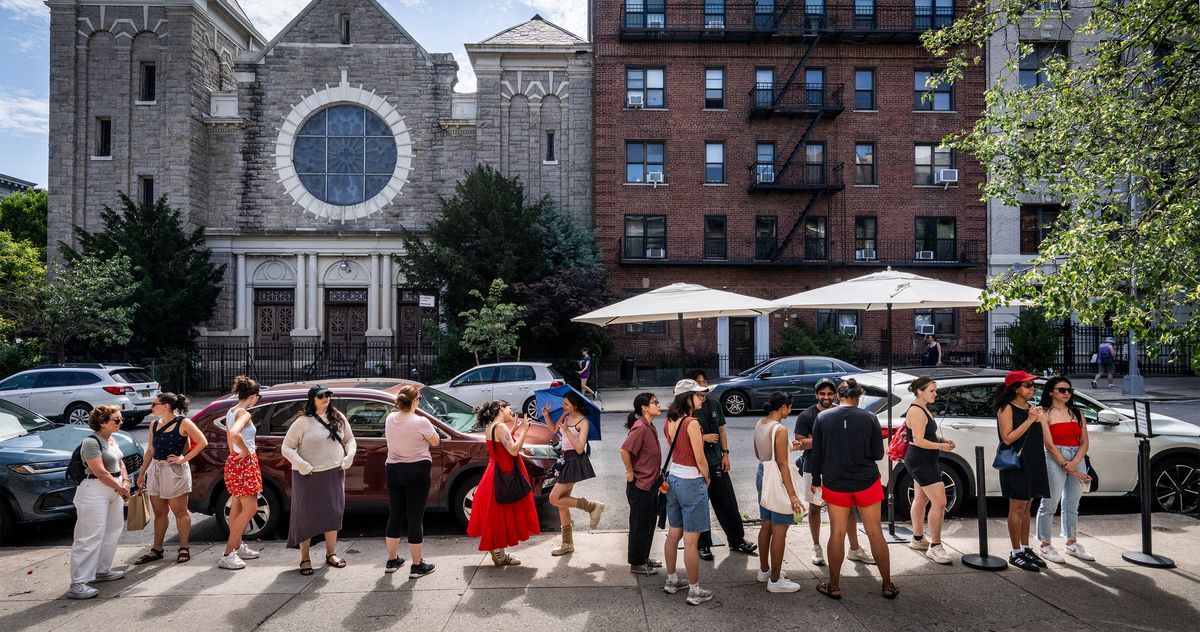
In New York City, standing in line has become a common experience, reflecting both the city's fast-paced lifestyle and its unique culture. This phenomenon is not just about waiting; it embodies a mix of humiliation and exhilaration for residents and visitors alike. The article from Curbed delves into the social dynamics of queuing in the city, highlighting its implications for urban life.
Share this story
Why it matters
- ✓Understanding the social dynamics of waiting can help real estate investors gauge the desirability of locations based on foot traffic and social engagement.
- ✓Home buyers may consider the cultural aspects of neighborhoods, including the presence of popular venues that attract long lines.
- ✓Sellers can leverage the popularity of certain areas, where lines signify demand, to enhance property value.
Exploring the Phenomenon of Waiting in Line in New York City
In a city that epitomizes the hustle and bustle of urban life, the act of waiting in line has taken on a life of its own. From coffee shops to popular attractions, New Yorkers are often found standing in queues that can stretch for blocks. This phenomenon, as explored in a recent article by Curbed, reveals much about the social fabric of the city and its implications for residents, home buyers, and real estate investors.
The Cultural Significance of Queuing
In New York City, standing in line is more than just a mundane task; it is a cultural experience. The article describes how this practice can evoke feelings of humiliation and exhilaration simultaneously. For many, waiting in line is a rite of passage that signifies belonging to the vibrant urban community. It reflects the city's relentless pace, where even the act of waiting becomes a social event.
The lines that form outside popular venues, whether they are trendy restaurants, art exhibitions, or iconic landmarks, serve as a testament to the city's allure. They attract both locals and tourists, creating a unique atmosphere that is quintessentially New York. This cultural aspect of queuing can influence how people perceive different neighborhoods, making them more desirable based on the social interactions that occur there.
Implications for Real Estate
For home buyers and investors, understanding the dynamics of waiting in line can provide valuable insights into the real estate market. Here are a few key implications:
1. Foot Traffic and Demand
Areas that consistently have long lines often indicate high demand for certain services or attractions. This can be a signal to investors that the location is desirable, potentially leading to increased property values. For home buyers, neighborhoods with popular venues can enhance their living experience, offering access to vibrant community life.
2. Cultural Appeal
The cultural significance of waiting in line can also affect how neighborhoods are marketed. Sellers can highlight the popularity of local hotspots to attract buyers who value social engagement and a lively atmosphere. Properties located near bustling areas may command higher prices due to the perceived value of living in a vibrant community.
3. Urban Development Trends
As urban development continues to evolve, understanding the reasons behind why certain places attract long lines can inform future investments. Investors may want to consider areas that are undergoing revitalization or have the potential for new attractions, as these can lead to increased foot traffic and, subsequently, higher property values.
Conclusion
The phenomenon of waiting in line in New York City is a reflection of the city's unique culture and social dynamics. While it may seem trivial at first glance, the implications for home buyers, sellers, and investors are significant. By recognizing the value of these social interactions, stakeholders in the real estate market can make more informed decisions that align with the cultural heartbeat of the city. As New Yorkers continue to embrace the exhilarating yet sometimes humiliating experience of queuing, it serves as a reminder of the vibrant life that defines this iconic metropolis.
Sources
Newsletter
Your weekly property signal. No spam.
Comments
Log in with
Loading comments…
More in Regional

Ex-Microsoft Executive Lists $9.75 Million Seattle Estate After Price Cut
A former Microsoft executive has listed his Seattle estate for $9.75 million, following a…
14h ago

Historic 1880s Waterfront Social Club Listed for Sale with Significant Price Reduction
The Narragansett Reading Room, a Victorian social club established in the 1880s, has been listed…
14h ago

Ritz-Carlton Penthouse on Fort Lauderdale Beach To Be Auctioned to Highest Bidder
A luxurious oceanfront penthouse located in the Ritz-Carlton Residences on Fort Lauderdale Beach is…
21h ago

New Luxury Community Offers Rare Waterfront Living Near the Las Vegas Strip
La Cova, a new luxury community located within the SouthShore Lake Las Vegas in Henderson, NV,…
1d ago