Exploring Nick Poe’s Houseplant Hot Spot in Lower East Side Loft

Edited by Tamsin Gablehart
Markets & Regional · Updated April 4, 2026
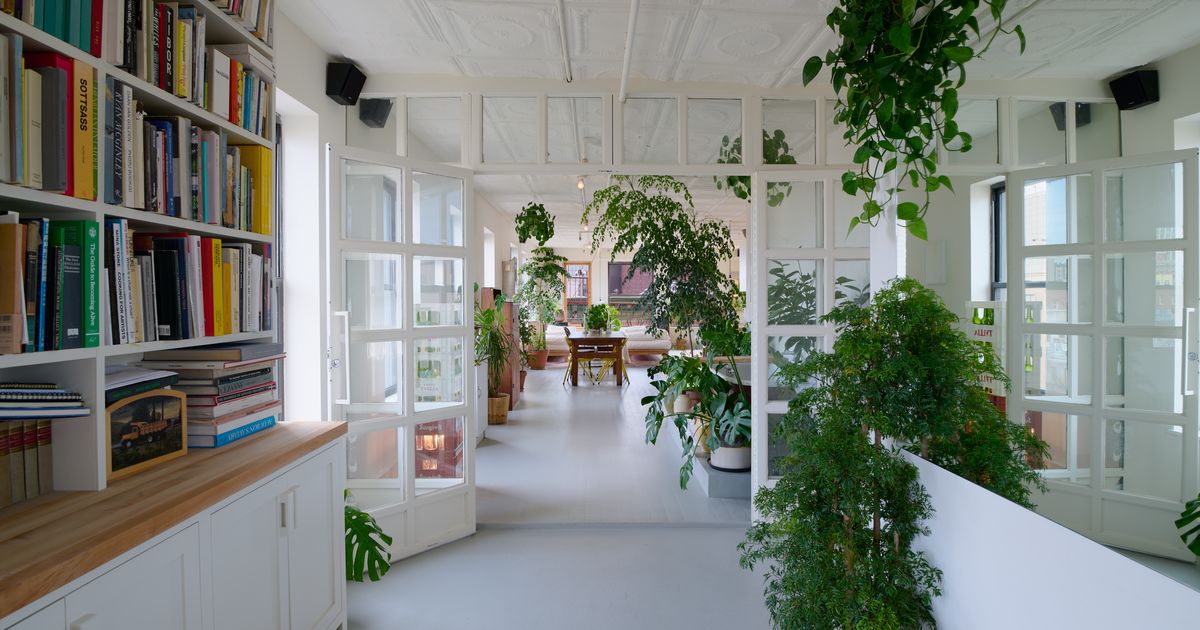
Nick Poe, an architectural designer, has transformed his Lower East Side loft into a vibrant houseplant haven. The space is adorned with a variety of plants including monsteras, spider plants, and umbrella trees, showcasing a growing trend in urban living that emphasizes greenery and indoor gardening. This trend reflects a broader interest in biophilic design and sustainable living in urban environments.
Share this story
Why it matters
- ✓Incorporating houseplants can enhance the aesthetic appeal of a home, potentially increasing its market value.
- ✓The trend towards indoor gardening may influence home buyers' preferences, leading them to seek properties with ample natural light and space for plants.
- ✓Real estate investors may consider properties with features that support indoor gardening as more desirable in the current market.
Exploring Nick Poe’s Houseplant Hot Spot in Lower East Side Loft
Nick Poe, an architectural designer based in New York City, has made a name for himself not only through his professional work but also by creating a stunning personal space filled with greenery. His loft, located in the vibrant Lower East Side, is a testament to the growing trend of incorporating houseplants into urban living spaces.
A Green Oasis in the City
Poe's loft is characterized by its abundance of houseplants, including popular varieties such as monsteras, spider plants, and umbrella trees. These plants not only add a splash of color and life to the space but also contribute to a healthier indoor environment. The presence of greenery is known to improve air quality and enhance overall well-being, making Poe's home a prime example of biophilic design—a concept that seeks to connect people with nature in their living spaces.
The Rise of Indoor Gardening
The trend of indoor gardening has gained significant traction in recent years, particularly in urban areas where outdoor space is limited. Homeowners and renters alike are increasingly looking for ways to bring nature indoors. This shift is reflected in the growing popularity of houseplants, which are seen as a way to create a calming and aesthetically pleasing environment. Poe's loft serves as an inspiration for many urban dwellers who wish to incorporate more greenery into their homes.
Implications for Home Buyers and Investors
For home buyers, the presence of houseplants can enhance the appeal of a property. A well-decorated space with thriving plants can create a welcoming atmosphere that resonates with potential buyers. As more individuals prioritize wellness and sustainability, properties that support indoor gardening—such as those with ample natural light and suitable layouts—may become more desirable.
Real estate investors should also take note of this trend. Properties that feature elements conducive to indoor gardening could attract a wider range of tenants or buyers, particularly younger generations who value aesthetics and environmental consciousness. Investing in properties that allow for such features may yield higher returns in the long run.
Conclusion
Nick Poe's Lower East Side loft is more than just a personal residence; it is a reflection of a broader movement towards integrating nature into urban living. As houseplants continue to gain popularity, their impact on the real estate market is likely to grow. Home buyers and investors should consider the implications of this trend as they navigate the evolving landscape of urban real estate.
Sources
- Nick Poe’s Houseplant Hot Spot — Curbed
Newsletter
Your weekly property signal. No spam.
Comments
Log in with
Loading comments…
More in Regional

Ex-Microsoft Executive Lists $9.75 Million Seattle Estate After Price Cut
A former Microsoft executive has listed his Seattle estate for $9.75 million, following a…
14h ago

Historic 1880s Waterfront Social Club Listed for Sale with Significant Price Reduction
The Narragansett Reading Room, a Victorian social club established in the 1880s, has been listed…
14h ago

Ritz-Carlton Penthouse on Fort Lauderdale Beach To Be Auctioned to Highest Bidder
A luxurious oceanfront penthouse located in the Ritz-Carlton Residences on Fort Lauderdale Beach is…
20h ago

New Luxury Community Offers Rare Waterfront Living Near the Las Vegas Strip
La Cova, a new luxury community located within the SouthShore Lake Las Vegas in Henderson, NV,…
1d ago