Exploring African Identity in Modern Architecture

Edited by Tamsin Gablehart
Markets & Regional · Updated September 10, 2026
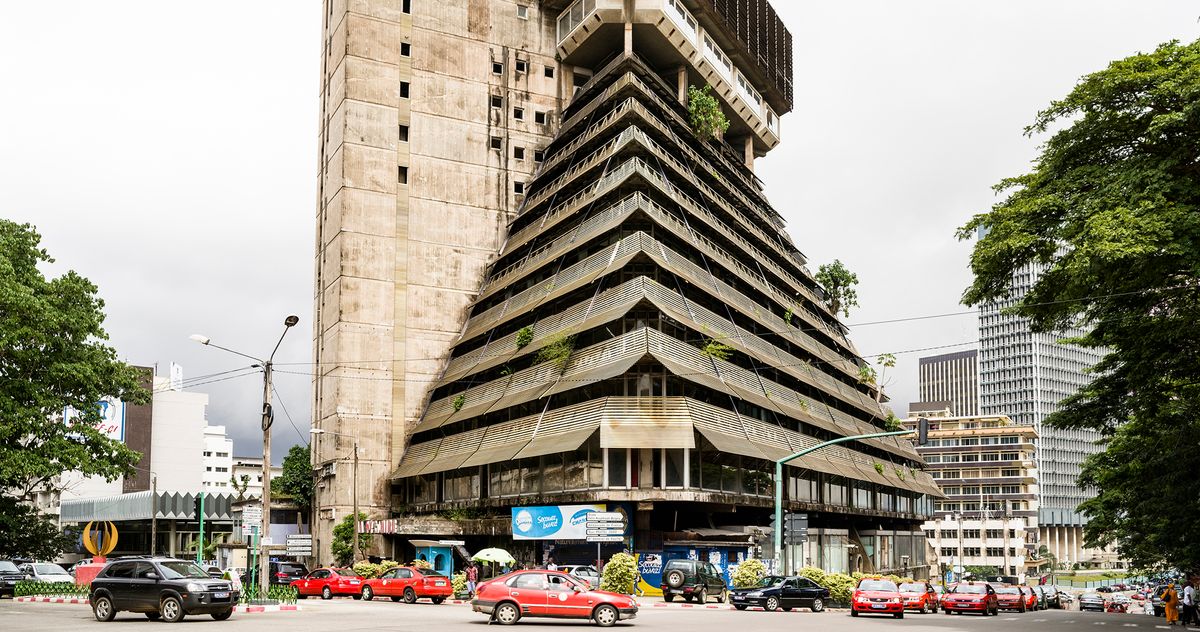
An exhibition at the Museum of Modern Art (MoMA) highlights how architecture in Africa has evolved since independence, serving as a means of cultural expression and freedom. The show emphasizes the significance of modern African buildings in reflecting the continent's diverse identities and histories. This exploration of architectural identity is crucial for understanding the broader implications of real estate development in Africa.
Share this story
Why it matters
- ✓Understanding the architectural landscape can help home buyers and investors identify culturally significant properties that may appreciate in value.
- ✓Architectural trends can influence market demand, affecting property values and investment opportunities in urban areas.
- ✓Recognizing the importance of local identity in architecture can guide developers in creating spaces that resonate with communities.
Exploring African Identity in Modern Architecture
Introduction
The Museum of Modern Art (MoMA) in New York is currently hosting an ambitious exhibition that delves into the evolution of modern African architecture post-independence. This exhibition argues that architecture is not merely a functional endeavor but a profound tool for expressing freedom and identity in the African context. As the world increasingly recognizes the importance of cultural narratives in architecture, this show provides a critical lens through which to view the built environment in Africa.
The Role of Architecture in Post-Independence Africa
Since gaining independence, many African nations have grappled with their identities and how to express them through architecture. The exhibition at MoMA showcases various modern African buildings that serve as symbols of national pride and cultural heritage. These structures often reflect the unique histories and aspirations of their societies, illustrating how architecture can be a medium for storytelling and cultural expression.
The exhibition highlights that architecture in Africa has evolved to incorporate local materials, traditional building techniques, and contemporary design principles. This blend of old and new not only honors the past but also paves the way for future innovations in the architectural landscape.
Key Themes in Modern African Architecture
Cultural Expression
One of the central themes of the exhibition is the idea that modern African architecture is deeply rooted in cultural expression. Many buildings featured in the show are designed to resonate with the local populace, reflecting their values, traditions, and aspirations. This cultural relevance is essential for creating spaces that foster community and belonging.
Freedom and Independence
The exhibition also emphasizes the role of architecture as a tool for freedom. In many African countries, the built environment has been used to assert independence and challenge colonial legacies. By creating structures that embody local identity and pride, architects are contributing to a broader narrative of liberation and self-determination.
Sustainability and Innovation
Another important aspect of modern African architecture is its focus on sustainability and innovation. Many architects are now prioritizing environmentally friendly practices and materials, which not only address ecological concerns but also promote economic resilience. This shift towards sustainable design is crucial for the future of urban development in Africa, especially as cities continue to grow rapidly.
Implications for Home Buyers and Investors
Understanding the significance of modern African architecture can have several implications for home buyers, sellers, and real estate investors:
- Cultural Significance: Properties that are architecturally significant or culturally relevant may hold greater value in the long term. Investors should consider the historical and cultural context of properties when making purchasing decisions.
- Market Demand: As awareness of the importance of local identity in architecture grows, demand for culturally significant properties may increase. This trend can influence property values and investment opportunities in urban areas.
- Community Engagement: Developers and investors who engage with local communities and incorporate their input into architectural projects are likely to create more successful and sustainable developments. Understanding the local context can lead to better market positioning and community support.
Conclusion
The exhibition at MoMA serves as a reminder of the power of architecture to shape identity and express freedom in post-colonial Africa. By exploring the narratives embedded in modern African buildings, we gain valuable insights into the continent's diverse cultures and histories. For home buyers and investors, recognizing the significance of these architectural trends can inform better decision-making and foster a deeper appreciation for the spaces we inhabit. As the world continues to evolve, the architectural landscape in Africa will undoubtedly play a pivotal role in shaping its future.
Sources
Newsletter
Your weekly property signal. No spam.
Comments
Log in with
Loading comments…
More in Regional

Ex-Microsoft Executive Lists $9.75 Million Seattle Estate After Price Cut
A former Microsoft executive has listed his Seattle estate for $9.75 million, following a…
14h ago

Historic 1880s Waterfront Social Club Listed for Sale with Significant Price Reduction
The Narragansett Reading Room, a Victorian social club established in the 1880s, has been listed…
14h ago

Ritz-Carlton Penthouse on Fort Lauderdale Beach To Be Auctioned to Highest Bidder
A luxurious oceanfront penthouse located in the Ritz-Carlton Residences on Fort Lauderdale Beach is…
20h ago

New Luxury Community Offers Rare Waterfront Living Near the Las Vegas Strip
La Cova, a new luxury community located within the SouthShore Lake Las Vegas in Henderson, NV,…
1d ago