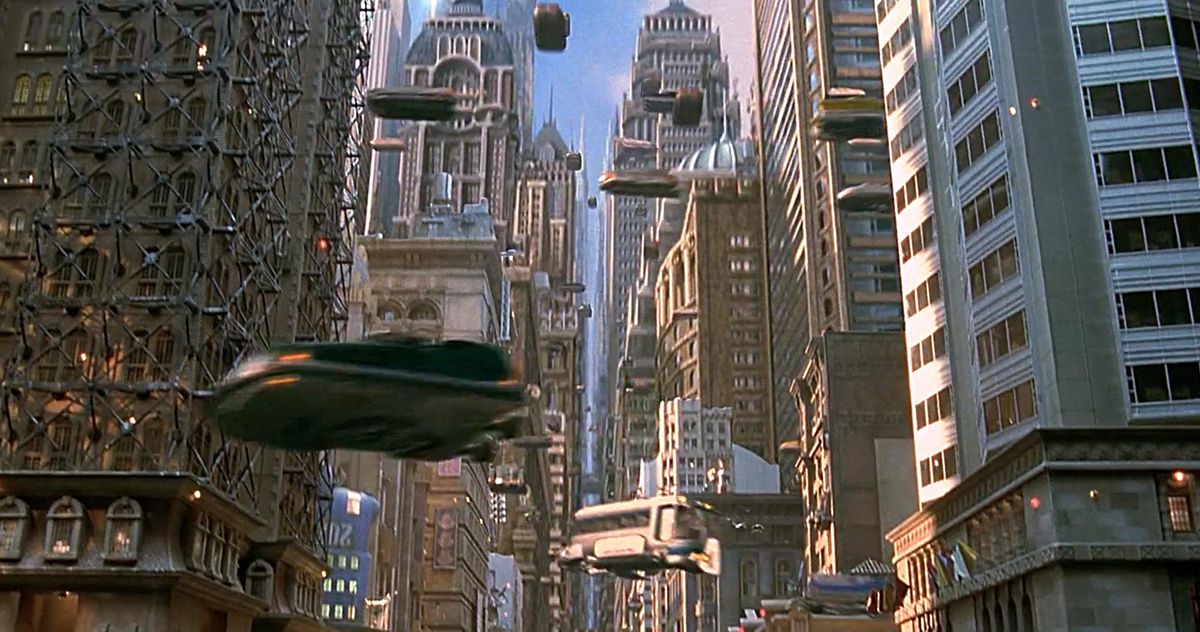
Emerging Air Mobility Technologies Set to Transform New York City's Skies

Edited by Tamsin Gablehart
Markets & Regional · Updated June 19, 2026
New York City is on the brink of a significant transformation in its airspace with the introduction of drone deliveries, flying taxis, and autonomous flying cars. These advancements in air mobility technology promise to change how goods and people are transported across the city. As these innovations develop, they will likely impact urban infrastructure and real estate dynamics.
Share this story
Why it matters
- ✓Increased air traffic could lead to changes in zoning laws and regulations affecting property development.
- ✓The introduction of flying taxis may enhance accessibility to certain neighborhoods, potentially increasing property values.
- ✓Drone deliveries could influence logistics and retail strategies, impacting commercial real estate investments.
Emerging Air Mobility Technologies Set to Transform New York City's Skies
New York City is poised to experience a significant transformation in its airspace with the introduction of innovative air mobility technologies. As drone deliveries, flying taxis, and autonomous flying cars become more prevalent, the implications for urban living and real estate are substantial.
The Rise of Drone Deliveries
Drone deliveries are rapidly gaining traction as a convenient and efficient way to transport goods. Companies are exploring the use of drones to deliver everything from groceries to medical supplies. In New York City, the dense urban environment presents unique challenges and opportunities for drone logistics. With the potential to reduce traffic congestion and expedite delivery times, drone services could become a staple in the city’s transportation ecosystem.
Flying Taxis: A New Era of Urban Transportation
Flying taxis, often referred to as air taxis, are another exciting development on the horizon. These vehicles promise to provide a new mode of transportation that could alleviate ground traffic and offer a faster alternative for commuters. Companies like Joby Aviation are at the forefront of this technology, working on electric vertical takeoff and landing (eVTOL) aircraft that could operate in urban settings. The introduction of flying taxis could significantly alter commuting patterns and accessibility across the city.
Autonomous Flying Cars: The Future of Urban Mobility
The concept of autonomous flying cars is no longer confined to science fiction. As technology advances, the possibility of self-piloted vehicles navigating the skies becomes more realistic. These vehicles could integrate with existing transportation networks, offering seamless transitions between ground and air travel. The implications for urban planning and real estate are profound, as neighborhoods may become more interconnected through air travel.
Implications for Real Estate and Urban Planning
The advent of these air mobility technologies will have far-reaching effects on real estate and urban planning in New York City. Here are some key considerations:
Changes in Zoning Laws
As air traffic increases, city planners may need to revise zoning laws to accommodate new infrastructure, such as vertiports for flying taxis and drone landing zones. This could lead to changes in property development strategies, particularly in areas designated for commercial use.
Impact on Property Values
Neighborhoods that gain access to flying taxi services may see an increase in property values due to enhanced accessibility. Areas that were previously considered less desirable may become more attractive to home buyers and investors, leading to shifts in demand across the city.
Logistics and Retail Strategies
The rise of drone deliveries could transform logistics and retail strategies in urban environments. Businesses may need to adapt their operations to leverage drone technology, which could influence the types of commercial spaces that are in demand. Retailers may seek locations that are optimized for drone access, affecting commercial real estate dynamics.
Conclusion
As New York City prepares for the integration of drone deliveries, flying taxis, and autonomous flying cars, the implications for home buyers, sellers, and real estate investors are significant. The evolving air mobility landscape will likely reshape urban infrastructure, influence property values, and alter logistics strategies. Staying informed about these developments will be crucial for anyone involved in the real estate market in New York City.
Sources
Newsletter
Your weekly property signal. No spam.
Comments
Log in with
Loading comments…
More in Regional

Ex-Microsoft Executive Lists $9.75 Million Seattle Estate After Price Cut
A former Microsoft executive has listed his Seattle estate for $9.75 million, following a…
14h ago

Historic 1880s Waterfront Social Club Listed for Sale with Significant Price Reduction
The Narragansett Reading Room, a Victorian social club established in the 1880s, has been listed…
14h ago

Ritz-Carlton Penthouse on Fort Lauderdale Beach To Be Auctioned to Highest Bidder
A luxurious oceanfront penthouse located in the Ritz-Carlton Residences on Fort Lauderdale Beach is…
20h ago

New Luxury Community Offers Rare Waterfront Living Near the Las Vegas Strip
La Cova, a new luxury community located within the SouthShore Lake Las Vegas in Henderson, NV,…
1d ago