Emergence of Retail Clusters in Little Nolita

Edited by Tamsin Gablehart
Markets & Regional · Updated May 12, 2026
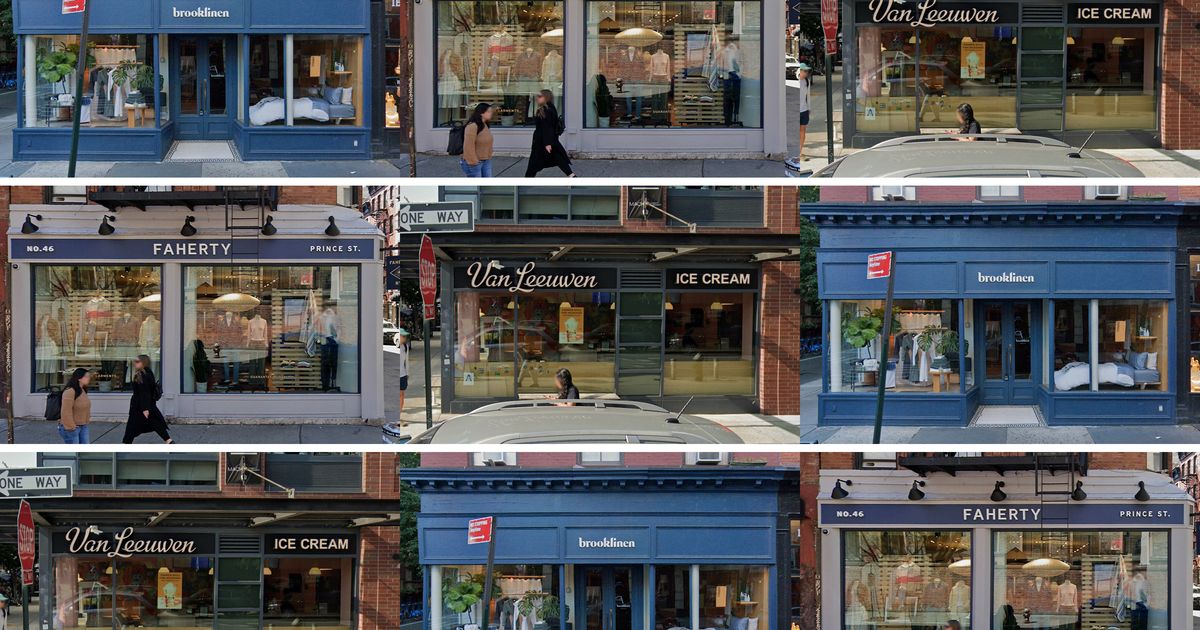
The trend of retail clusters featuring brands like Aesop, Everlane, and Buck Mason is becoming increasingly common in neighborhoods like Little Nolita and the West Village. These stores often appear in close proximity, creating a shopping destination that attracts both locals and visitors. This phenomenon reflects a broader shift in retail strategies, focusing on creating appealing shopping environments that enhance consumer experience.
Share this story
Why it matters
- ✓The clustering of popular retail brands can increase foot traffic in neighborhoods, potentially raising property values.
- ✓Home buyers may be attracted to areas with vibrant retail options, influencing their purchasing decisions.
- ✓Real estate investors might find opportunities in neighborhoods with emerging retail clusters, as they can indicate a growing demand for residential properties.
Emergence of Retail Clusters in Little Nolita
In recent years, neighborhoods like Little Nolita and the West Village have seen a notable trend in retail development, characterized by the clustering of popular brands such as Aesop, Everlane, and Buck Mason. This phenomenon raises questions about the implications for local real estate markets and the experiences of home buyers and investors.
The Rise of Retail Clusters
The concept of retail clusters is not new, but its manifestation in urban areas like Little Nolita is particularly striking. Retailers are increasingly opting to open stores in close proximity to one another, creating a shopping experience that encourages consumers to visit multiple locations in one trip. This strategy is designed to enhance the overall shopping experience, making it more convenient and enjoyable for customers.
The presence of well-known brands in a concentrated area can significantly increase foot traffic, drawing in both locals and tourists. As consumers flock to these retail clusters, the surrounding neighborhoods often benefit from increased visibility and vibrancy, which can lead to higher demand for residential properties.
Implications for Home Buyers
For home buyers, the emergence of retail clusters can be a double-edged sword. On one hand, the availability of desirable shopping options can enhance the appeal of a neighborhood, making it a more attractive place to live. Buyers may prioritize areas with a strong retail presence, as these locations often offer a better quality of life, with amenities that cater to their lifestyle needs.
On the other hand, increased demand for properties in these areas can lead to rising home prices. As more people seek to move into neighborhoods with vibrant retail options, competition for available homes can drive prices up, potentially making it more challenging for some buyers to enter the market.
Opportunities for Real Estate Investors
For real estate investors, the development of retail clusters presents a unique opportunity. Areas that are experiencing a surge in retail activity may indicate a growing demand for residential properties, making them attractive targets for investment. Investors who can identify neighborhoods poised for growth may find that their properties appreciate in value as the area becomes more desirable.
Moreover, the presence of popular retail brands can enhance the overall appeal of a neighborhood, potentially leading to increased rental demand. Investors may benefit from higher occupancy rates and the ability to charge premium rents in areas with thriving retail clusters.
Conclusion
The trend of retail clusters in neighborhoods like Little Nolita and the West Village reflects a broader shift in urban retail strategies. As brands choose to locate near one another to create a more compelling shopping experience, the implications for home buyers and investors are significant. While the clustering of desirable retail options can enhance neighborhood appeal, it can also lead to rising property values and increased competition in the housing market. Understanding these dynamics is crucial for anyone looking to navigate the real estate landscape in these vibrant urban areas.
Sources
- Little Nolitas Everywhere — Curbed
Newsletter
Your weekly property signal. No spam.
Comments
Log in with
Loading comments…
More in Regional

Ex-Microsoft Executive Lists $9.75 Million Seattle Estate After Price Cut
A former Microsoft executive has listed his Seattle estate for $9.75 million, following a…
14h ago

Historic 1880s Waterfront Social Club Listed for Sale with Significant Price Reduction
The Narragansett Reading Room, a Victorian social club established in the 1880s, has been listed…
14h ago

Ritz-Carlton Penthouse on Fort Lauderdale Beach To Be Auctioned to Highest Bidder
A luxurious oceanfront penthouse located in the Ritz-Carlton Residences on Fort Lauderdale Beach is…
21h ago

New Luxury Community Offers Rare Waterfront Living Near the Las Vegas Strip
La Cova, a new luxury community located within the SouthShore Lake Las Vegas in Henderson, NV,…
1d ago