Court Ruling on H-1B Fee Raises Questions About Housing Demand

Edited by Tamsin Gablehart
Markets & Regional · Updated June 16, 2026
A recent court ruling regarding the $100,000 fee for H-1B visa holders has sparked discussions about its potential impact on localized housing demand, particularly in areas like Celina, north of Dallas. However, experts warn that ongoing uncertainty surrounding immigration policy and tech hiring may hinder any immediate recovery in demand, even if the ruling is upheld.
Share this story
Why it matters
- ✓Potential changes in immigration policies could influence the purchasing power of H-1B visa holders, affecting demand in specific housing markets.
- ✓Real estate investors and home sellers in regions with significant H-1B populations may need to adjust their expectations based on the evolving legal landscape.
- ✓The ruling highlights the interconnectedness of immigration policy and housing market dynamics, which could have broader implications for market stability.
Court Ruling on H-1B Fee Raises Questions About Housing Demand
Introduction
A recent court ruling concerning the $100,000 fee imposed on H-1B visa holders has brought attention to the potential implications for housing demand in certain markets. This ruling has sparked discussions among real estate executives and economists, particularly regarding its effects on localized housing markets such as Celina, located north of Dallas.
The Court Ruling
The court's decision to address the H-1B fee is significant for many individuals and families who rely on this visa to work in the United States, particularly in the tech sector. The fee, which has been a point of contention, is seen as a barrier for many potential home buyers who are H-1B visa holders. The ruling raises questions about whether it could lead to an increase in demand from this demographic, which has historically been a strong force in certain housing markets.
Localized Housing Demand
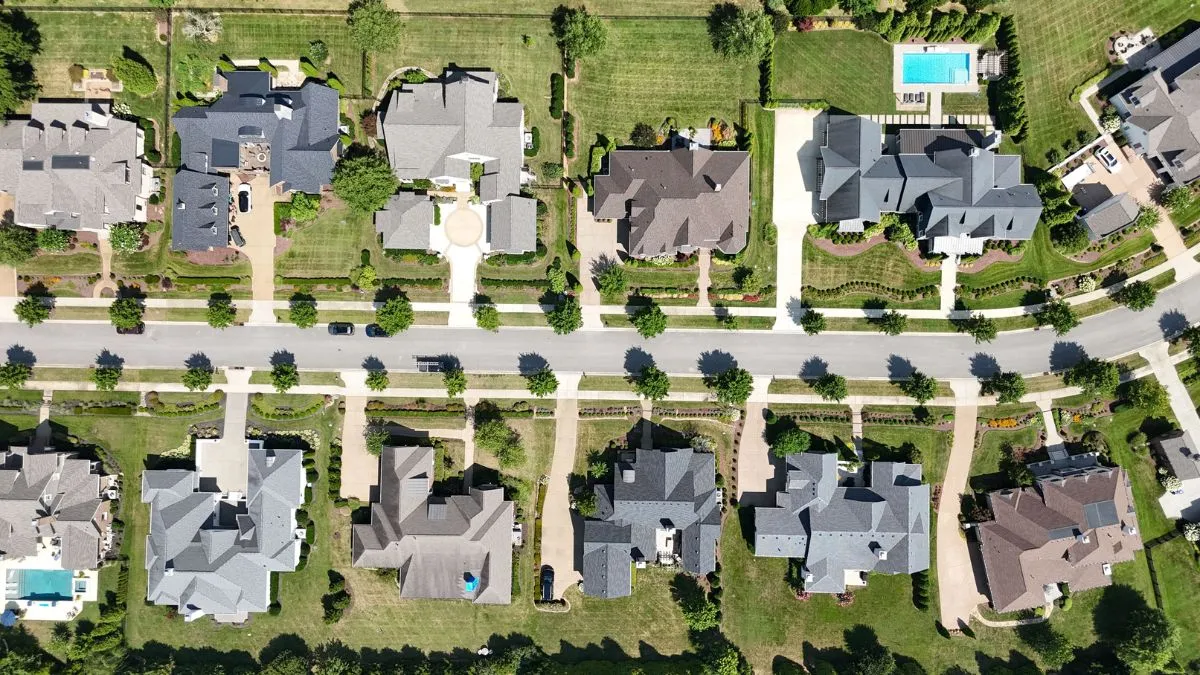
Celina, Texas, is one area that may feel the effects of this ruling more acutely. As a growing community near Dallas, Celina has attracted many professionals, including those on H-1B visas. The potential for increased demand from this group could provide a boost to the local housing market. However, experts caution that the broader implications of immigration policy and tech hiring trends will play a crucial role in determining the actual impact of the ruling.
Uncertainty in Immigration Policy
Despite the court ruling, uncertainty surrounding U.S. immigration policy remains a significant concern. Executives and economists have expressed that even if the ruling stands, the ongoing ambiguity regarding immigration laws and regulations could limit any near-term rebound in housing demand. This uncertainty may deter potential buyers from making commitments in the housing market, as they may be hesitant to invest in property without clarity on their immigration status and job security.
Tech Hiring Trends
The tech industry, which employs a substantial number of H-1B visa holders, is also experiencing fluctuations in hiring practices. Companies are adjusting their workforce strategies in response to economic conditions, which could further impact the housing market. If tech hiring remains stagnant or declines, the potential for increased demand from H-1B holders may not materialize, leading to a more cautious approach from home buyers and investors alike.
Implications for Home Buyers and Investors
For home buyers, particularly those on H-1B visas, the court ruling presents a glimmer of hope for easing some financial burdens associated with home purchases. However, the prevailing uncertainty in immigration policy and the job market may still pose challenges. Home buyers may need to navigate a complex landscape where their purchasing power could be affected by external factors beyond their control.
Real estate investors and sellers in regions with significant H-1B populations should also take note of these developments. The potential for increased demand could lead to a more competitive market, but investors must remain vigilant about the broader economic and political climate that could influence buyer behavior.
Conclusion
The recent court ruling on the H-1B fee has opened up discussions about its potential impact on housing demand, particularly in localized markets like Celina, Texas. While there is optimism that the ruling could revive interest among H-1B buyers, the ongoing uncertainty surrounding immigration policy and tech hiring trends may temper any immediate effects. As the situation evolves, stakeholders in the real estate market will need to stay informed and adaptable to navigate the changing landscape.
Sources
Newsletter
Your weekly property signal. No spam.
Comments
Log in with
Loading comments…
More in Market

Real, Compass, SERHANT. Expand Teams; Baird & Warner Appoints COO
Real, Compass, and SERHANT. have recently expanded their teams to enhance their service offerings…
2d ago

Existing Home Sales Show Minimal Change Amid High Borrowing Costs
Existing home sales saw a slight uptick in September, rising 1.5% to a seasonally adjusted annual…
2d ago

Brokerage Leaders Risk Losing Sight of Consumer Expectations Amid Disruption
Recent insights highlight that brokerage leaders may become distracted by industry disruptions,…
2d ago

Dark Matter Elevates Three Executives to Senior Leadership Positions
Dark Matter has announced the promotion of three executives to senior leadership roles, including…
2d ago