Challenges Persist at the Oculus Mall Despite High Foot Traffic

Edited by Tamsin Gablehart
Markets & Regional · Updated September 1, 2026
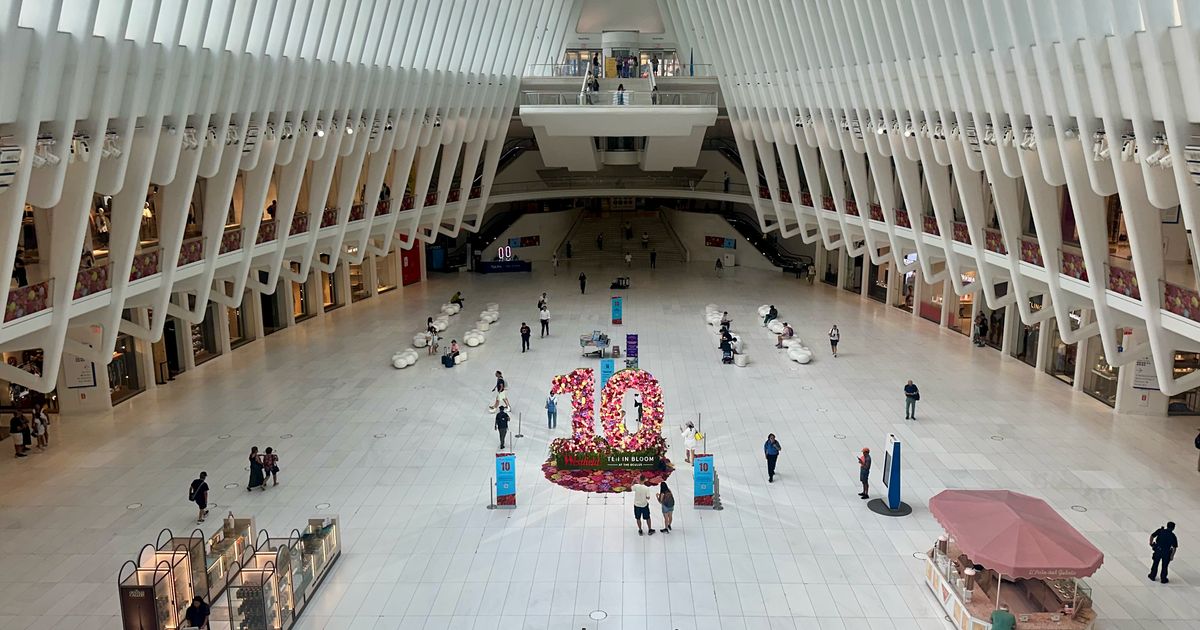
The Oculus, located at the World Trade Center, has seen high foot traffic in its tenth year, yet many of its storefronts remain vacant. The mall's operator is actively seeking solutions to fill these empty spaces and enhance the shopping experience. This situation raises questions about the viability of retail spaces in high-profile locations.
Share this story
Why it matters
- ✓High vacancy rates in prominent retail spaces may indicate broader trends in consumer behavior that could affect property values.
- ✓Investors should consider the potential risks associated with retail investments, especially in areas with high foot traffic but low occupancy.
- ✓Home buyers may be influenced by the retail landscape in their neighborhoods, as vibrant commercial areas can enhance property desirability.
Challenges Persist at the Oculus Mall Despite High Foot Traffic
The Oculus, a prominent shopping mall located at the World Trade Center in New York City, has reached its tenth anniversary. While the mall attracts a significant number of visitors, many of its storefronts remain unoccupied, raising concerns about the long-term viability of retail spaces in such a high-profile location.
High Foot Traffic but Low Occupancy
Despite the high foot traffic reported at the Oculus, the reality is that many of its retail spaces are still empty. This paradox poses a challenge for the mall's operator, who is actively seeking strategies to fill these vacancies and improve the overall shopping experience. The juxtap of bustling crowds against vacant storefronts highlights a disconnect that could have implications for both consumers and investors.
The Retail Landscape
The retail environment has been evolving, particularly in urban areas where consumer preferences are shifting. The rise of online shopping and changing consumer habits have led to increased scrutiny of physical retail spaces. The Oculus, designed as a modern shopping destination, faces the challenge of adapting to these trends while maintaining its appeal to visitors.
Implications for Home Buyers and Investors
The situation at the Oculus is indicative of broader trends in the retail market that could impact home buyers and real estate investors. High vacancy rates in prominent retail spaces may signal a shift in consumer behavior, which could, in turn, affect property values in the surrounding areas. For investors, this raises questions about the potential risks associated with investing in retail properties, especially in locations that, despite high foot traffic, struggle to maintain occupancy.
Home buyers should also consider the retail landscape when evaluating neighborhoods. Areas with vibrant commercial offerings can enhance property desirability, while vacant storefronts may detract from the overall appeal of a location. As the Oculus navigates these challenges, its future success may serve as a bellwether for the health of retail spaces in urban environments.
Conclusion
As the Oculus approaches its tenth year, the juxtaposition of high foot traffic and low occupancy presents a unique challenge. The mall's operator is keen on addressing these issues, but the outcome remains uncertain. For home buyers and investors, the situation at the Oculus is a reminder of the complexities of the retail market and its potential impact on real estate dynamics.
Sources
Newsletter
Your weekly property signal. No spam.
Comments
Log in with
Loading comments…
More in Market

Real, Compass, SERHANT. Expand Teams; Baird & Warner Appoints COO
Real, Compass, and SERHANT. have recently expanded their teams to enhance their service offerings…
2d ago

Existing Home Sales Show Minimal Change Amid High Borrowing Costs
Existing home sales saw a slight uptick in September, rising 1.5% to a seasonally adjusted annual…
2d ago

Brokerage Leaders Risk Losing Sight of Consumer Expectations Amid Disruption
Recent insights highlight that brokerage leaders may become distracted by industry disruptions,…
2d ago

Dark Matter Elevates Three Executives to Senior Leadership Positions
Dark Matter has announced the promotion of three executives to senior leadership roles, including…
2d ago