Artists Transform Bristol-Myers Factory into Unique Living Spaces in Clinton Hill

Edited by Tamsin Gablehart
Markets & Regional · Updated September 12, 2026
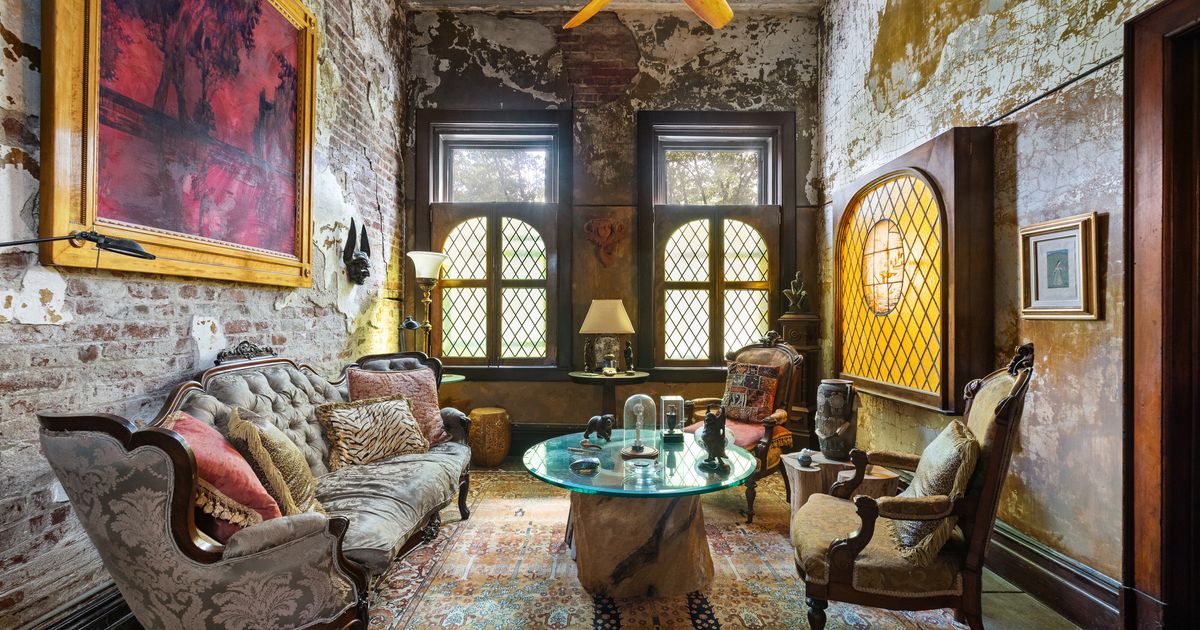
A former Bristol-Myers factory located on Greene Avenue in Clinton Hill has been converted into artist lofts, showcasing expansive, column-free spaces with original architectural details. The transformation highlights the potential for adaptive reuse in urban environments, particularly in neighborhoods undergoing revitalization. This project reflects a growing trend of artists and creatives repurposing industrial spaces into livable areas.
Share this story
Why it matters
- ✓The conversion of industrial spaces into residential units can increase housing supply in urban areas, potentially benefiting home buyers.
- ✓Investors may find opportunities in similar adaptive reuse projects, as they can yield unique properties with character.
- ✓The trend of artist-led transformations can enhance neighborhood appeal, potentially influencing property values.
Artists Transform Bristol-Myers Factory into Unique Living Spaces in Clinton Hill
Introduction
The Clinton Hill neighborhood of Brooklyn, New York, is witnessing a remarkable transformation as a former Bristol-Myers factory has been repurposed into artist lofts. This conversion not only preserves the building's historical significance but also provides unique living spaces that reflect the creativity of the artists who now call it home.
The Factory's Features
Located on Greene Avenue, the factory boasts vast, column-free floors that extend back 90 feet, allowing for flexible living and working spaces. The original architectural details have been retained, adding character and charm to the lofts. This design choice emphasizes the potential of industrial buildings to be adapted for modern use while maintaining their historical integrity.
The Trend of Adaptive Reuse
The transformation of the Bristol-Myers factory is part of a broader trend in urban areas where artists and creatives are increasingly taking over industrial spaces. This adaptive reuse not only helps in preserving historical buildings but also addresses the growing demand for unique housing options in cities. As neighborhoods like Clinton Hill undergo revitalization, the conversion of such spaces can contribute to a vibrant community atmosphere.
Implications for Home Buyers and Investors
For home buyers, the availability of artist lofts in Clinton Hill presents an opportunity to purchase distinctive properties that stand out in the market. These spaces often come with unique features that traditional residential buildings may lack, appealing to those looking for something different.
Investors should take note of the potential for similar projects in other industrial areas. As urban centers continue to evolve, properties that can be converted into residential or mixed-use spaces may offer lucrative investment opportunities. The growing interest in artist-led transformations can also enhance the overall appeal of neighborhoods, potentially leading to increased property values over time.
Conclusion
The conversion of the Bristol-Myers factory into artist lofts in Clinton Hill exemplifies the potential of adaptive reuse in urban real estate. As more artists and creatives seek out unique living spaces, the trend of transforming industrial buildings into residential units is likely to continue, offering both home buyers and investors new opportunities in the evolving real estate landscape.
Sources
Newsletter
Your weekly property signal. No spam.
Comments
Log in with
Loading comments…
More in Regional

New Luxury Community Offers Rare Waterfront Living Near the Las Vegas Strip
La Cova, a new luxury community located within the SouthShore Lake Las Vegas in Henderson, NV,…
9h ago

Historic NYC Townhouse Features Unique Indoor Pool and Spa
A 140-year-old townhouse located in New York City's Upper West Side is on the market for $10.45…
15h ago

Historic 1927 Tudor in Denver's Park Hill Listed for Sale at $1.59M
A historic Tudor-style home built in 1927 is now on the market in Denver's Park Hill neighborhood…
15h ago

I.M. Pei-Designed Mansion Listed for $22 Million in Texas
A unique mansion designed by renowned architect I.M. Pei has been listed for sale in Westover…
15h ago