Architectural Scholar Transforms East Village Factory into Unique Living Space

Edited by Tamsin Gablehart
Markets & Regional · Updated September 30, 2026
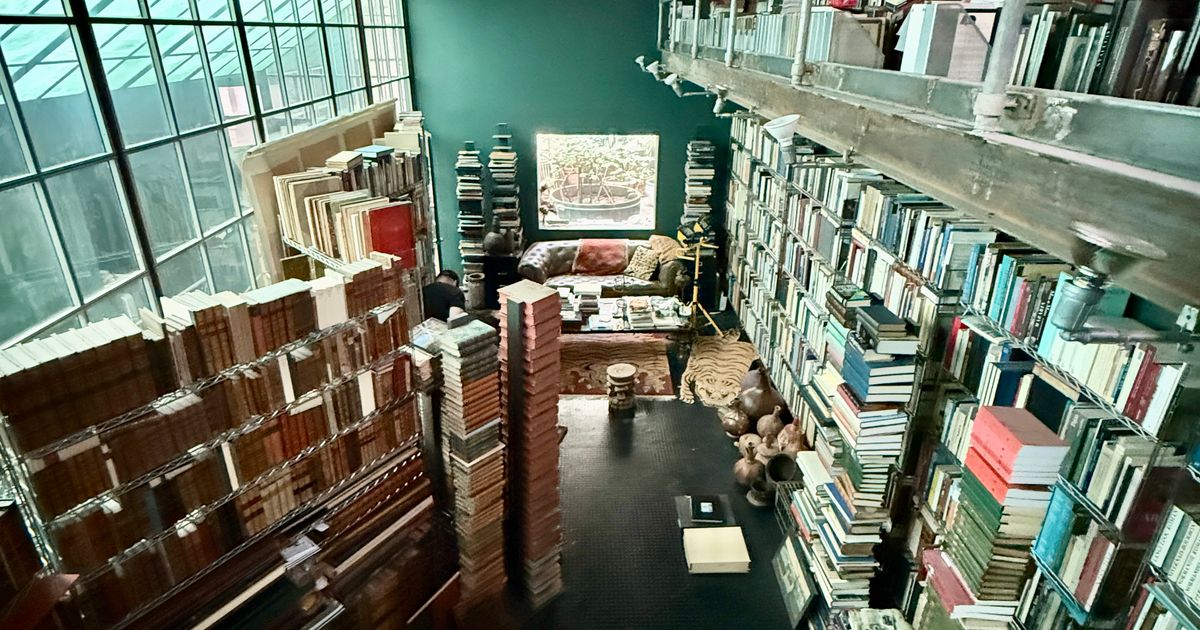
An East 13th Street building in Manhattan has been transformed from a factory into a unique living space by architectural scholar Robin Middleton and artist Ruth Lakofski. This project is the culmination of a communal living experiment that began in London, showcasing innovative design and historical preservation. The conversion reflects a blend of artistic vision and architectural scholarship, offering insights into adaptive reuse in urban settings.
Share this story
Why it matters
- ✓Highlights the potential for adaptive reuse in urban real estate, which can increase property values.
- ✓Demonstrates a successful model for integrating historical preservation with modern living spaces, appealing to buyers interested in unique properties.
- ✓Provides insights for investors looking to capitalize on the trend of converting industrial spaces into residential units.
An East Village Factory Conversion by an Architectural Scholar and Artist
Introduction
The East Village neighborhood of Manhattan is known for its vibrant culture and rich history. Recently, a notable transformation has taken place in this area, where a former factory has been converted into a unique living space by architectural scholar Robin Middleton and artist Ruth Lakofski. This project not only reflects innovative design but also embodies the principles of historical preservation and communal living.
The Building's History
Located on East 13th Street, the building originally served as a factory, contributing to the industrial landscape of the East Village. Its conversion marks the end of a communal living experiment that began in London, showcasing the evolution of urban living spaces. The transformation of this building is significant as it represents a shift from industrial use to residential living, a trend that is increasingly popular in urban areas across the United States.
Design and Architectural Features
The design of the converted factory is a collaboration between Middleton and Lakofski, who have infused their artistic vision into the space. The conversion maintains elements of the original structure, preserving its historical character while integrating modern amenities. This balance of old and new is a hallmark of successful adaptive reuse projects, appealing to home buyers who value unique, character-rich properties.
Communal Living Concept
The project is rooted in the idea of communal living, which emphasizes shared spaces and community interaction. This concept, which originated in London, has been adapted to fit the context of New York City, where space is at a premium. By creating shared areas within the living space, Middleton and Lakofski aim to foster a sense of community among residents, a feature that is increasingly sought after in urban living environments.
Implications for Home Buyers and Investors
The conversion of this factory into a residential space has several implications for home buyers and real estate investors:
- Adaptive Reuse Potential: This project highlights the potential for adaptive reuse in urban real estate. Investors may look to similar properties in their areas that could be transformed, potentially increasing property values and attracting buyers looking for unique living spaces.
- Historical Preservation: The successful integration of historical elements into modern design can appeal to buyers who appreciate character and history in their homes. This trend may encourage more developers to consider preserving historical structures rather than demolishing them.
- Community Focus: The emphasis on communal living can attract buyers interested in community-oriented living arrangements. As urban areas become more populated, the desire for community and shared experiences may influence future real estate developments.
Conclusion
The transformation of the East 13th Street factory into a living space by Robin Middleton and Ruth Lakofski is a noteworthy example of how historical buildings can be repurposed for modern living. This project not only preserves the architectural heritage of the East Village but also introduces innovative concepts of communal living. As urban areas continue to evolve, such adaptive reuse projects will likely play a crucial role in shaping the future of real estate, offering valuable insights for home buyers and investors alike.
Newsletter
Your weekly property signal. No spam.
Comments
Log in with
Loading comments…
More in Regional

Ex-Microsoft Executive Lists $9.75 Million Seattle Estate After Price Cut
A former Microsoft executive has listed his Seattle estate for $9.75 million, following a…
10h ago

Historic 1880s Waterfront Social Club Listed for Sale with Significant Price Reduction
The Narragansett Reading Room, a Victorian social club established in the 1880s, has been listed…
10h ago

Ritz-Carlton Penthouse on Fort Lauderdale Beach To Be Auctioned to Highest Bidder
A luxurious oceanfront penthouse located in the Ritz-Carlton Residences on Fort Lauderdale Beach is…
16h ago

New Luxury Community Offers Rare Waterfront Living Near the Las Vegas Strip
La Cova, a new luxury community located within the SouthShore Lake Las Vegas in Henderson, NV,…
1d ago