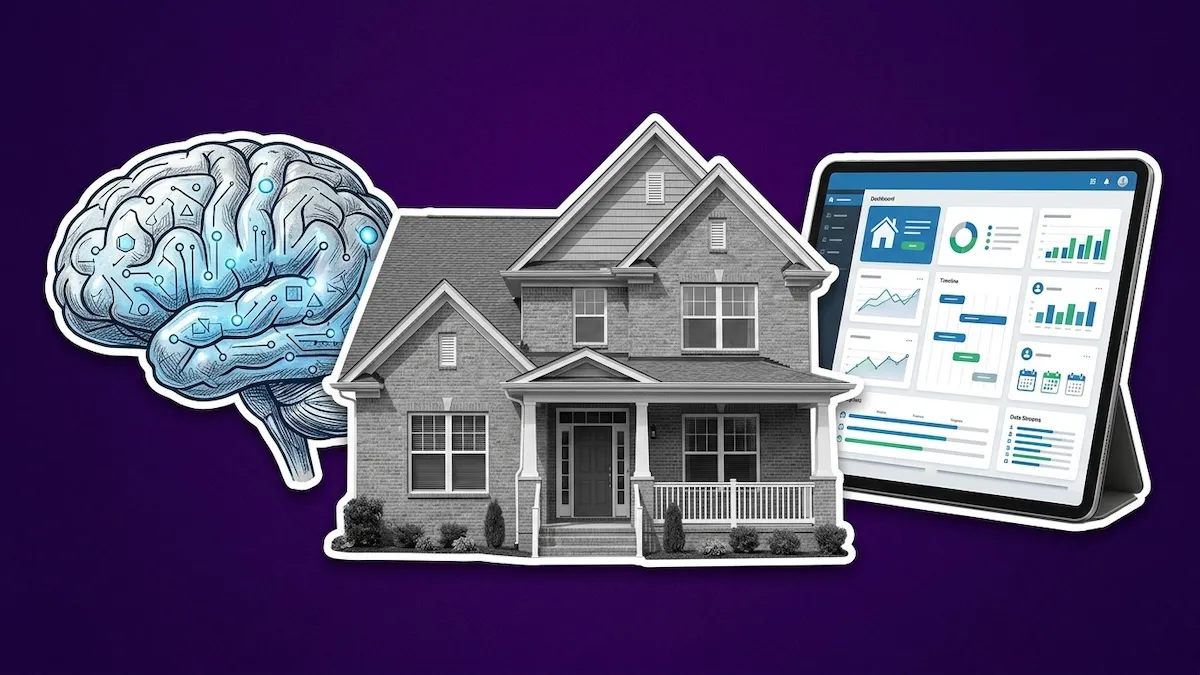
AI Adoption in Real Estate: Professionals Skeptical of Effectiveness

Edited by Tamsin Gablehart
Markets & Regional · Updated July 8, 2026
A recent report reveals that while artificial intelligence (AI) is widely adopted in the real estate sector, only 35% of professionals believe it is genuinely helpful. This skepticism highlights a gap between the technology's potential and its practical application in the industry. The findings suggest that despite the buzz around AI, many real estate professionals find it lacking in delivering real value.
Share this story
Why it matters
- ✓Home buyers and sellers may face challenges if AI tools do not provide reliable insights or assistance.
- ✓Real estate investors could miss opportunities if AI fails to enhance market analysis or decision-making.
- ✓The skepticism surrounding AI could slow down further investment in technology that might eventually benefit the industry.
AI Adoption in Real Estate: Professionals Skeptical of Effectiveness
Artificial intelligence (AI) has become a buzzword across various industries, including real estate. However, a recent report indicates that despite its widespread adoption, many professionals in the sector are not convinced of its effectiveness. This article delves into the findings of the report, exploring the implications for home buyers, sellers, and investors.
Widespread Adoption of AI in Real Estate
The integration of AI technologies in real estate has been significant, with many companies adopting tools designed to streamline processes, enhance customer service, and improve market analysis. These technologies include chatbots for customer inquiries, predictive analytics for market trends, and automated valuation models for property assessments. However, the enthusiasm surrounding these innovations is tempered by a notable skepticism among industry professionals.
Professionals' Perspectives on AI Effectiveness
According to the report, only 35% of real estate professionals believe that AI is genuinely helpful in their work. This percentage is the highest among various industries analyzed, indicating a unique challenge within the real estate sector. The findings suggest that while AI tools are available and utilized, many professionals feel they do not meet their expectations or provide the anticipated benefits.
Reasons for Skepticism
Several factors contribute to the skepticism surrounding AI in real estate:
- Complexity of Real Estate Transactions: Real estate transactions often involve intricate details and human emotions that AI may struggle to navigate effectively.
- Data Quality Issues: The effectiveness of AI is heavily reliant on the quality of data it processes. Inconsistent or incomplete data can lead to inaccurate predictions and analyses.
- Lack of Personalization: Many AI tools may not adequately address the unique needs of individual clients, leading to a one-size-fits-all approach that fails to resonate with users.
Implications for Home Buyers and Sellers
For home buyers and sellers, the skepticism surrounding AI could have several implications:
- Reliability of Insights: If AI tools do not provide reliable insights, buyers may struggle to make informed decisions, potentially leading to unfavorable outcomes in their transactions.
- Dependence on Human Expertise: As professionals express doubts about AI's effectiveness, buyers and sellers may need to rely more on human expertise and traditional methods, which could slow down the process.
- Cost Considerations: If AI tools do not deliver significant value, the costs associated with implementing these technologies may not be justified, impacting overall transaction costs.
Implications for Real Estate Investors
Real estate investors could also be affected by the current state of AI in the industry:
- Market Analysis Limitations: Investors rely on accurate market analysis to make informed decisions. If AI tools fall short in this area, investors may miss lucrative opportunities or misjudge market conditions.
- Investment in Technology: The skepticism surrounding AI may deter further investment in innovative technologies that could enhance the industry in the long run. This could slow the pace of technological advancement in real estate.
- Competitive Edge: Investors who choose to adopt AI tools may find themselves at a disadvantage if those tools do not provide a clear competitive edge over traditional methods.
Conclusion
The findings of the recent report underscore a critical gap between the potential of AI technologies and their practical application in the real estate sector. While AI has been widely adopted, the skepticism expressed by professionals highlights the need for improvement in the effectiveness and reliability of these tools. As the industry continues to evolve, it will be essential for technology developers to address these concerns to enhance the value of AI in real estate transactions. For home buyers, sellers, and investors, understanding the current limitations of AI can help them navigate the market more effectively and make informed decisions.
Sources
Newsletter
Your weekly property signal. No spam.
Comments
Log in with
Loading comments…
More in Market

Real, Compass, SERHANT. Expand Teams; Baird & Warner Appoints COO
Real, Compass, and SERHANT. have recently expanded their teams to enhance their service offerings…
2d ago

Existing Home Sales Show Minimal Change Amid High Borrowing Costs
Existing home sales saw a slight uptick in September, rising 1.5% to a seasonally adjusted annual…
2d ago

Brokerage Leaders Risk Losing Sight of Consumer Expectations Amid Disruption
Recent insights highlight that brokerage leaders may become distracted by industry disruptions,…
2d ago

Dark Matter Elevates Three Executives to Senior Leadership Positions
Dark Matter has announced the promotion of three executives to senior leadership roles, including…
2d ago